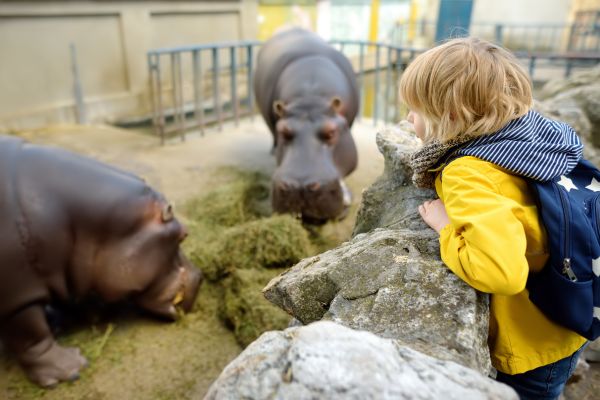
A zoo trip can be much more than a simple walk past animal enclosures. For children, it can feel like stepping into a living storybook, where every turn brings a new sound, shape, color, or question. One child may be fascinated by the slow blink of a lizard, while another may spend ten quiet minutes watching a giraffe chew leaves. These little moments matter. They turn an ordinary family outing into something children remember long after the day is over.
The best zoo activities for children are not always complicated. In fact, the most meaningful ones often come from slowing down, noticing details, and giving kids space to wonder. A zoo visit works beautifully when it blends fun with gentle learning, movement with quiet observation, and excitement with care for animals and nature.
Turning the Zoo Visit into a Little Adventure
Children love having a sense of mission. Before entering the zoo, parents can turn the visit into a small adventure by choosing a simple theme for the day. It might be “animals with stripes,” “animals that live in water,” or “animals that sleep during the day.” This gives children something to look for without making the trip feel like homework.
A younger child may enjoy spotting animals by color or size. Older children might like comparing habitats, noticing feeding behaviors, or guessing which animals are predators and which are prey. The point is not to test them. It is to help them look more closely.
Even a basic animal-spotting game can change the pace of the visit. Instead of rushing from one exhibit to another, children begin to observe. They notice the flamingo standing on one leg, the meerkat keeping watch, or the elephant using its trunk like a hand. Suddenly, the zoo feels less like a place to pass through and more like a world to explore.
Animal Observation Games That Build Curiosity
One of the simplest zoo activities for children is careful observation. Ask children what an animal is doing, how it moves, what sounds it makes, or what part of its body seems most useful. These small questions invite children to think like young naturalists.
For example, while watching monkeys, children may notice how they use their hands, tails, and facial expressions. At a bird enclosure, they may compare beaks and feet. Near reptiles, they may wonder why some animals stay still for so long. These observations can lead naturally into conversations about survival, food, weather, and habitats.
Parents do not need to know every answer. Actually, it can be lovely to say, “I’m not sure. Let’s find out when we get home.” That keeps curiosity alive. It also teaches children that learning is not about already knowing everything. It is about paying attention and asking better questions.
Creating a Zoo Journal During the Visit
A zoo journal is a gentle, creative way to make the day more memorable. Children can bring a small notebook and draw the animals they see. Younger kids may make quick sketches, while older children might write short notes about animal behavior, habitat, or favorite facts from exhibit signs.
The journal does not need to be neat. A wobbly drawing of a penguin or a half-written sentence about a lion can still hold the feeling of the day. Some children may prefer using stickers, colored pencils, or simple checkmarks. Others might enjoy writing “animal reporter” notes, such as what the animal was doing when they saw it.
This activity also gives families natural pauses. Zoo days can become tiring, especially for small children. Sitting on a bench to draw a turtle or write about a zebra gives everyone a chance to breathe, drink water, and reset before moving on.
Learning Through Sounds, Movements, and Imitation
Children often understand animals through their bodies before they understand them through facts. That is why movement-based activities can be so effective. After watching an animal, children can copy its walk, stretch, hop, or slow crawl in an open area where it is safe and respectful to do so.
They might waddle like penguins, stretch tall like giraffes, or move slowly like tortoises. This is playful, of course, but it also helps children notice how different bodies work. Why does a kangaroo hop? Why does a snake move without legs? Why do some birds walk while others mostly fly?
Sound games can be fun too, especially with younger children. Instead of shouting animal noises near enclosures, families can play quietly while walking between exhibits. A parent can ask, “Which animal do you think makes a deep sound?” or “Which one might be almost silent?” It keeps the mood lively without disturbing animals or other visitors.
Using Exhibit Signs Without Making It Feel Like School
Zoo signs are full of useful information, but children do not always want to stand and read long descriptions. A good approach is to choose one interesting fact from a sign and turn it into conversation. If a sign says an animal is endangered, parents can gently explain what that means. If it mentions diet, children can guess what the animal eats before reading the answer.
Older children may enjoy finding the animal’s home country on a map or learning whether it lives in forests, deserts, oceans, or grasslands. This brings geography into the visit in a natural way. It also helps children understand that animals are connected to real places, not just zoo exhibits.
The key is balance. Too much explanation can flatten the wonder of the day. A few well-timed facts, shared casually, can deepen it.
Planning Quiet Moments for Younger Children
Zoo visits can be exciting, noisy, and full of walking. Younger children may become tired even when they are having fun. Planning quiet moments is one of the most practical zoo activities for children because it helps the day stay enjoyable.
A quiet break near a calm exhibit, garden area, or shaded bench can make a big difference. During this pause, children can talk about their favorite animal so far, draw in their journal, have a snack, or simply rest. Some children need time to process all the sights and sounds around them.
These slower moments often become surprisingly meaningful. A child who was too busy running earlier may suddenly notice a sleeping big cat or a tiny bird building a nest. Not every zoo memory has to be loud and exciting. Some are soft and still.
Encouraging Kindness and Respect for Animals
A zoo visit is a good chance to teach children how to be thoughtful around living creatures. This can be done gently, without turning the day into a lecture. Children can learn why they should not tap on glass, throw food, shout at animals, or try to get a reaction from them.
Parents can explain that animals need space, rest, and calm, just like people do. Watching respectfully is part of caring. When children understand this, they often become more patient observers. They begin to see animals not as performers, but as living beings with their own rhythms.
This lesson may be one of the most valuable parts of the visit. Fun matters, absolutely. But so does empathy.
Making the Day Last After You Go Home
The zoo experience does not have to end at the exit gate. At home, children can look through photos, finish their zoo journal, or choose one animal to learn more about. They might draw a habitat, make a simple craft, or tell a family member about the most surprising thing they saw.
A child who loved the otters may want to learn about rivers. A child fascinated by elephants may become curious about memory, family groups, or conservation. These follow-up activities help connect the outing to a wider world of learning.
Even a casual dinner conversation can keep the spark going. Asking, “Which animal would you visit again?” or “Which one surprised you?” lets children reflect in their own words.
A Zoo Day Filled with Wonder
Zoo activities for children work best when they leave room for both structure and surprise. A simple game, a notebook, a quiet question, or a few minutes of watching can turn a family visit into something richer. Children do not need a perfect plan to enjoy the zoo. They need time, attention, and adults who are willing to wonder with them.
At its heart, a zoo trip is not only about seeing animals. It is about helping children notice life in all its variety. The long neck, the bright feathers, the slow steps, the hidden eyes in the water, each one invites a closer look. And when children learn to look closely, they carry that curiosity far beyond the zoo gates.