The Quiet Work Behind Protecting Wildlife
Wildlife conservation is often imagined through dramatic scenes: a rescued tiger being released into the forest, a sea turtle crawling back toward the ocean, or a ranger standing guard in a remote national park. These moments matter, of course. They are powerful and emotional. But most conservation work happens far away from cameras, in patient, daily efforts that are much less glamorous and much more complicated.
Behind many of these efforts are NGOs, researchers, local communities, volunteers, forest guards, educators, and field workers who spend years trying to protect species and the habitats they depend on. Conservation efforts NGOs support are rarely simple. They involve science, community trust, funding challenges, policy work, and sometimes difficult conversations between people who need land for survival and wildlife that needs space to live.
At its heart, wildlife conservation is not only about saving animals. It is about protecting the balance of natural systems that humans also rely on. Forests clean the air and regulate rainfall. Wetlands reduce flooding. Pollinators support food crops. Predators keep ecosystems healthy. When wildlife disappears, something larger begins to weaken.
Why Wildlife Conservation Matters More Than Ever
The natural world is under pressure from almost every direction. Forests are being cleared for farming, roads, housing, and industries. Rivers are polluted or diverted. Oceans are warming and filling with plastic. Grasslands are shrinking. Illegal hunting and wildlife trade continue to threaten animals in many regions. Climate change adds another layer, shifting seasons, drying habitats, and forcing species to move into unfamiliar areas.
For some animals, the problem is not only direct killing. It is the slow loss of home. A bird may still exist, but if the trees it nests in are gone, its future becomes uncertain. A leopard may survive in the hills, but if its prey disappears and villages expand, conflict with humans becomes more likely. A coral reef may look beautiful from the surface, but warming waters can silently damage the life beneath.
This is where organized conservation becomes important. Individual concern is valuable, but large-scale protection requires planning and long-term commitment. Conservation efforts NGOs help fill the gap between awareness and action. They work on the ground, gather data, restore habitats, train communities, support rescue work, and push for stronger protections when needed.
The Role NGOs Play in Wildlife Protection
NGOs often serve as a bridge between science, government, and local people. Governments may create protected areas and laws, but NGOs frequently help with research, monitoring, education, and practical conservation programs. In some regions, they provide support where official resources are limited.
Their work can include tracking endangered species, treating injured animals, restoring forests, creating awareness campaigns, training local communities, and helping reduce human-wildlife conflict. Some NGOs focus on one species, such as elephants, snow leopards, sea turtles, rhinos, or birds of prey. Others work on entire ecosystems, such as rainforests, wetlands, coral reefs, or mountain habitats.
What makes NGOs especially important is their ability to stay close to the problem. They often work directly with villagers, farmers, fishers, schoolchildren, and field staff. This connection matters because wildlife conservation cannot succeed through laws alone. People living near wildlife must be included, respected, and supported.
A conservation plan that ignores local needs usually struggles. A plan built with local communities has a much better chance of lasting.
Protecting Habitats Before They Disappear
Saving wildlife begins with saving habitat. An animal cannot survive without food, water, shelter, and breeding space. This sounds obvious, but much of conservation history shows how often habitat protection was treated as secondary to species protection.
NGOs now place strong emphasis on landscapes, not just individual animals. Protecting a tiger, for example, means protecting forests, deer populations, water sources, and movement corridors between forest patches. Protecting migratory birds means looking at wetlands across several countries, not just one nesting site.
Habitat conservation may involve planting native trees, removing invasive plants, restoring wetlands, protecting nesting beaches, or helping communities manage forests in sustainable ways. Sometimes it involves mapping land-use changes and warning authorities before damage becomes permanent. Other times it means working with farmers to create wildlife-friendly spaces around fields.
Restoration takes time. A forest cannot return in a season. A damaged wetland may need years to recover. But these slow efforts can bring remarkable results. When habitats improve, insects return, birds follow, small mammals increase, and larger predators may eventually come back too. Nature can heal, but it often needs room and protection.
Fighting Illegal Wildlife Trade
Illegal wildlife trade remains one of the most serious threats to many species. Animals are hunted, captured, or sold for skins, horns, scales, feathers, exotic pets, traditional products, and luxury items. This trade affects everything from elephants and pangolins to parrots, reptiles, and rare fish.
NGOs help fight this problem in several ways. Some support anti-poaching teams with training and equipment. Others collect information about trafficking routes, support law enforcement, or run public awareness campaigns to reduce demand. Rescue centers also care for animals confiscated from illegal trade, though returning them to the wild is not always easy.
The emotional side of wildlife trade is painful. Many animals suffer before they are even sold. Birds may be packed into small containers. Reptiles may be transported without proper care. Young mammals may be taken after their mothers are killed. By the time rescued animals reach a shelter, they may be stressed, injured, or unable to survive independently.
This is why prevention matters more than rescue alone. Stronger laws, better enforcement, community reporting, and reduced demand all play a role. NGOs cannot solve the issue by themselves, but they often help keep the pressure on systems that would otherwise move too slowly.
Working With Local Communities
One of the biggest lessons in modern conservation is that local communities are not obstacles to wildlife protection. In many places, they are the key to it.
People living near forests, rivers, deserts, or coastlines often understand the land better than outsiders. They know where animals move, when seasons change, where conflict happens, and which resources are becoming scarce. When conservation efforts NGOs include this knowledge, projects become more practical and realistic.
Community-based conservation can take many forms. Villagers may help monitor wildlife, protect nesting areas, report illegal hunting, or manage forest resources. Farmers may receive support to protect crops without harming animals. Fishers may help reduce accidental capture of marine species. Schools may introduce children to local wildlife, helping build pride in nature from an early age.
Human-wildlife conflict is a major challenge. When elephants damage crops, leopards attack livestock, or monkeys raid farms, people naturally become frustrated. Telling communities to “protect wildlife” without addressing these losses is unfair. NGOs often help develop solutions such as predator-proof livestock shelters, crop protection methods, compensation systems, or early-warning networks.
Conservation becomes stronger when people see wildlife not as a burden, but as part of their landscape and future.
Research, Data, and Field Monitoring
Good conservation depends on good information. It is not enough to assume a species is declining or recovering. Conservationists need data: population numbers, breeding success, migration routes, threats, disease risks, and habitat changes.
NGOs often support or conduct field research. Camera traps may be placed in forests to record shy animals. Birds may be counted during migration seasons. Turtles may be tagged to study movement. Drones, satellite images, and acoustic sensors are also becoming more common in conservation work.
This research helps guide action. If data shows that a species is disappearing from one region but stable in another, conservationists can investigate why. If animals are being killed near a road, planners can consider wildlife crossings or speed restrictions. If a wetland is drying, restoration can be prioritized before the damage becomes irreversible.
Fieldwork, however, is not easy. It can mean walking long distances, working in difficult weather, dealing with insects, waiting for hours, and sometimes seeing no animals at all. The public may only see the final report, but behind it are many quiet days of observation and patience.
Education and Changing Public Attitudes
Conservation is also about changing how people think. Laws may protect animals on paper, but attitudes shape what happens in real life.
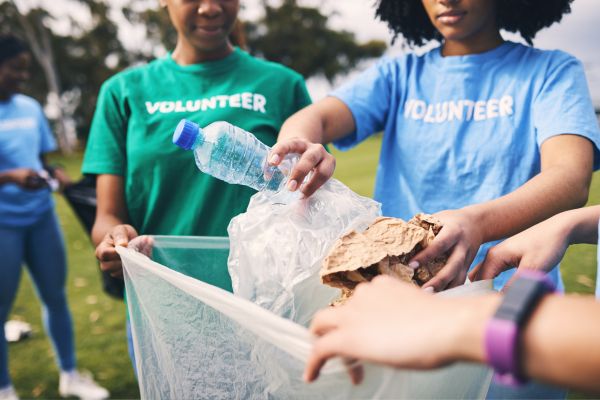
Educational work by NGOs can be simple but powerful. A school program about local birds may inspire children to protect trees. A campaign about plastic pollution may encourage communities to keep rivers cleaner. A workshop for farmers may reduce harmful practices. A documentary screening or village discussion may correct myths about certain animals.
Some species suffer because they are feared or misunderstood. Snakes, bats, vultures, wolves, hyenas, and many predators are often seen as dangerous or useless. Yet they all play important ecological roles. Bats pollinate plants and eat insects. Vultures clean up carcasses and reduce disease risk. Predators help control prey populations.
Changing fear into understanding takes time. It cannot be forced. But patient education can reduce unnecessary killing and help people see wildlife with more respect.
Challenges NGOs Face in Conservation Work
The work of conservation NGOs is meaningful, but it is not always smooth. Funding is a constant challenge. Field projects need staff, transport, equipment, veterinary care, research tools, and long-term planning. Many conservation problems take decades to solve, while funding often arrives in short cycles.
There is also the challenge of measuring success. A rescued animal is easy to count. A prevented extinction is harder to show. A forest that remains standing because of years of advocacy may not look like a dramatic achievement, but it is one.
NGOs may also face political pressure, land-use conflicts, limited legal support, and public misunderstanding. In some places, conservation workers risk their safety when dealing with poaching networks or illegal land activities. In others, they must balance wildlife goals with poverty, development needs, and local livelihoods.
Still, the most effective NGOs continue because conservation is not a quick campaign. It is a long relationship with land, species, and people.
The Future of Wildlife Conservation
The future of wildlife conservation will need more cooperation than ever. Climate change, habitat loss, pollution, and species decline are connected problems. No single organization, government, or community can solve them alone.
More conservation efforts NGOs are now working across borders, especially for migratory species and shared ecosystems. Technology is helping too, from satellite tracking to artificial intelligence used in identifying animals from camera images. But technology is only a tool. The deeper work still depends on people making better choices about land, consumption, development, and responsibility.
There is also a growing understanding that conservation should not be separated from human well-being. Healthy ecosystems support clean water, food security, climate resilience, and cultural identity. Protecting wildlife is not a luxury for rich countries or remote parks. It is part of building a stable future for everyone.
A Shared Responsibility Toward the Wild
Wildlife conservation is not just about saving rare animals for future photographs or documentaries. It is about recognizing that the living world has value beyond human use, and that our lives are tied to it more closely than we often admit.
NGOs play a vital role in this work. They rescue, research, restore, educate, advocate, and stand beside communities facing real challenges. Their work may not always be visible, and it may not always produce quick results, but it helps keep fragile ecosystems from slipping away unnoticed.
The story of conservation is still being written. Some chapters are worrying, yes, but others are full of recovery, courage, and quiet hope. When forests are protected, when rivers are cleaned, when communities are included, and when species are given space to survive, nature often responds.
In the end, wildlife conservation is a promise. It is a promise that the wild places of the world, and the creatures that belong to them, are worth more than short-term gain. And it is a reminder that protecting them is not someone else’s responsibility. It belongs to all of us.