
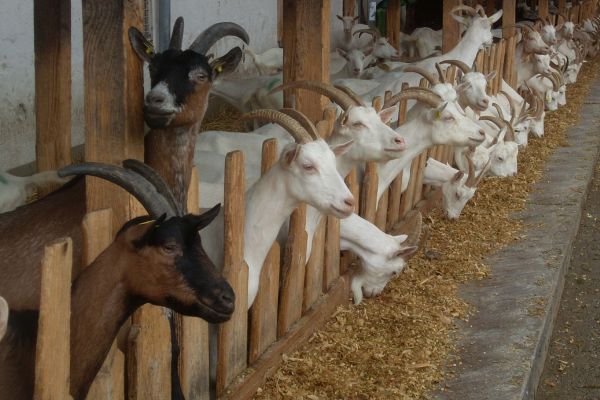
There’s something quietly rewarding about watching a healthy dairy goat herd settle into the rhythm of daily farm life. The early morning feeding, the steady sound of milk hitting the pail, the curious personalities of the animals themselves — it all becomes part of a routine that feels both practical and deeply personal. For many small farmers and homesteaders, raising dairy goats successfully is less about chasing production numbers and more about building a sustainable system that works for both the animals and the people caring for them.
Goats are intelligent, social, and surprisingly sensitive creatures. They respond to consistency, clean environments, and calm handling. While dairy goats are often considered easier to manage than larger livestock, they still require planning, patience, and a willingness to learn as you go. A successful dairy goat setup rarely happens overnight. It develops through observation, experience, and steady daily care.
Choosing the Right Dairy Goat Breed
The first step in raising dairy goats successfully is selecting a breed that fits your goals and environment. Not all dairy goats produce milk in the same way, and some adapt better to certain climates or management styles.
Nubian goats are popular for their rich, creamy milk with higher butterfat content. Their friendly nature makes them a favorite among families and small-scale farmers. Alpine goats, on the other hand, are known for consistent milk production and strong adaptability. Saanens are often recognized for producing large quantities of milk, while Nigerian Dwarf goats appeal to people with limited space who still want sweet, high-butterfat milk.
Breed selection should go beyond appearance or popularity. Think about your climate, available pasture, feed costs, and how much milk you realistically need. Visiting local farms can help you understand how certain breeds perform in your area.
Creating a Comfortable Living Space
Goats do not need elaborate housing, but they do need protection from damp conditions, drafts, and extreme temperatures. A dry shelter with good airflow is one of the foundations of healthy dairy goat management.
The barn or shelter should provide enough room for goats to move comfortably without overcrowding. Wet bedding creates problems quickly, especially during colder months, so regular cleaning matters more than expensive construction. Many experienced goat keepers rely on simple structures that prioritize ventilation and cleanliness over appearance.
Outdoor access is equally important. Dairy goats are active animals that enjoy climbing, exploring, and browsing. A secure fenced area allows them to exercise naturally, which helps reduce stress and supports overall health.
Fencing deserves careful attention because goats are surprisingly skilled escape artists. Weak gates or loose fencing often become daily frustrations for new owners. Strong woven wire fencing usually works better than relying on temporary barriers.
Understanding Goat Nutrition
Feeding dairy goats properly can make the difference between a thriving herd and one that constantly struggles with health or production issues. Goats require a balanced diet that changes depending on age, pregnancy, lactation, and seasonal conditions.
Good-quality hay forms the base of most dairy goat diets. Alfalfa hay is often used for milking does because of its calcium and protein content, though grass hay also plays an important role. Fresh browse and pasture help satisfy goats’ natural feeding instincts and add variety to their diet.
Grain is commonly introduced during milking periods to support energy needs, but overfeeding grain can create digestive problems. It’s easy for beginners to assume that more feed automatically means more milk, though the reality is usually more complicated.
Clean water should always be available. Dairy goats drink more water than many people expect, especially during hot weather or peak milk production. Minerals formulated specifically for goats are also essential since deficiencies can lead to reproductive issues, poor coat condition, and reduced milk output.
Watching body condition regularly helps guide feeding decisions. Healthy dairy goats should appear strong and energetic without becoming overly thin or excessively heavy.
Developing a Milking Routine
Consistency shapes nearly every part of successful goat dairying, especially milking. Goats respond well to predictable schedules, and irregular routines can affect milk production surprisingly fast.
Most dairy goats are milked once or twice daily depending on production levels and management goals. Cleanliness matters at every stage. Washing the udder gently before milking and sanitizing equipment afterward helps maintain milk quality and reduces the risk of mastitis.
New goat owners often feel awkward during the first few weeks of milking. Goats may fidget, kick, or test boundaries at first, but calm handling usually builds trust over time. Many experienced keepers talk to their goats throughout the process, turning milking into a quiet daily interaction rather than a stressful chore.
Milk flavor can also reflect management practices. Clean housing, proper feed storage, and quick cooling after milking all influence the final product. Fresh goat milk has a mild, pleasant taste when handled carefully.
Managing Breeding and Kid Care
A sustainable dairy goat operation eventually depends on successful breeding and healthy kids. Understanding breeding cycles helps owners plan milk production and herd growth more effectively.
Most dairy goats breed seasonally during cooler months, though some breeds can cycle year-round. Healthy does should reach proper maturity before breeding to avoid long-term health complications.
Pregnant goats require additional nutrition and close observation as kidding approaches. While many does deliver without difficulty, complications can happen unexpectedly, making preparation important. Having clean towels, iodine for umbilical cords, and emergency veterinary contacts ready can ease stressful moments.
The first few days after birth are especially important. Kids need colostrum quickly to support immunity and early development. Some farmers allow kids to nurse naturally, while others bottle-feed to manage milk collection more precisely. Both approaches have advantages depending on the farm’s goals and available time.
Young goats also benefit from early socialization. Gentle handling helps create calmer adult animals that are easier to milk and manage later on.
Preventing Common Health Problems
Raising dairy goats successfully involves paying attention to small health changes before they become major issues. Goats often hide illness well, so subtle shifts in behavior can signal developing problems.
Parasite management is one of the biggest ongoing challenges for goat owners. Rotational grazing, clean bedding, and regular fecal testing help reduce parasite pressure without relying entirely on medication. Overusing dewormers can eventually create resistance, which has become a growing concern in many areas.
Hoof trimming is another routine task that beginners sometimes underestimate. Overgrown hooves affect movement and may lead to infections or joint strain. Most goats need trimming every few weeks, though terrain and activity levels influence how quickly hooves grow.
Vaccinations and veterinary checkups also contribute to long-term herd stability. Building a relationship with a livestock veterinarian can make difficult situations much easier to manage when emergencies arise.
Observation remains one of the most valuable skills in goat care. A goat that suddenly isolates itself, eats less, or behaves differently deserves attention, even if symptoms seem minor at first.
Balancing Productivity With Practical Reality
Many new goat owners begin with idealized expectations. They picture endless fresh milk, peaceful mornings, and low-maintenance animals. Reality tends to be more layered than that.
There are days when fences break, feed costs rise, or a doe refuses to cooperate on the milk stand. Winter chores feel longer during freezing rain, and kidding season sometimes brings sleepless nights. Yet these challenges are balanced by moments that keep people connected to the work.
The relationship between caretaker and herd grows gradually. Over time, experienced goat keepers learn individual personalities, recognize subtle health cues, and develop routines that fit naturally into daily life. Success often comes less from perfection and more from consistency.
Smaller herds can actually be easier to manage well than large operations pushed beyond available time or resources. Expanding slowly allows new owners to build confidence and avoid preventable mistakes.
The Emotional Side of Goat Keeping
Dairy goats have a way of becoming more than livestock. Their curiosity and intelligence often surprise people who have never worked closely with them before. Some goats become stubborn comedians, while others act almost dog-like in their attachment to familiar routines and people.
This emotional connection can make goat keeping especially rewarding, though it also brings responsibility. Healthy herds depend on attentive care, patience, and realistic expectations. Goats thrive best when treated as living animals with individual needs rather than simple milk-producing machines.
There’s also a certain rhythm to dairy farming that appeals to many people seeking a slower, more grounded lifestyle. The daily repetition of feeding, milking, and caring for animals creates structure in a world that often feels rushed and disconnected.
Conclusion
Raising dairy goats successfully requires far more than simply providing feed and shelter. It involves understanding animal behavior, maintaining consistent routines, and adapting to challenges as they arise. The process can feel demanding at times, especially for beginners, but it also offers a unique sense of connection to food production and animal care.
Successful goat keeping is usually built through small daily habits rather than dramatic breakthroughs. Clean housing, balanced nutrition, careful observation, and patient handling all work together over time. As experience grows, so does confidence, and what once seemed complicated gradually becomes second nature.
For many people, dairy goats become more than a practical source of milk. They become part of a lifestyle centered on responsibility, rhythm, and the quiet satisfaction that comes from caring well for animals every single day.