
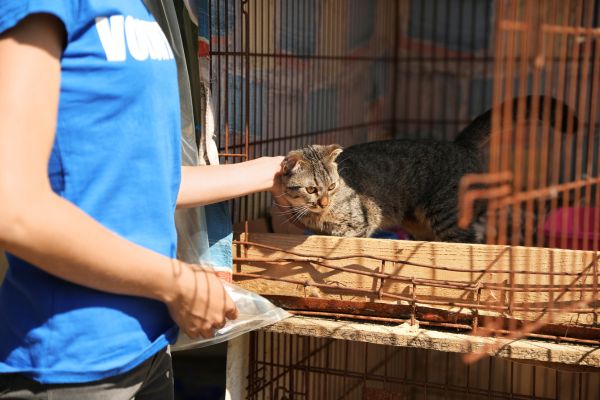
Animal shelters are often seen as places filled with wagging tails, hopeful eyes, and cats curled into quiet corners waiting for their next chapter. That picture is true, but it is only part of the story. Behind every clean kennel, warm blanket, bowl of food, and medical checkup is a long list of daily needs that shelter staff and volunteers manage with care, patience, and limited resources.
When people ask what do animal shelters need most, the answer is rarely one single thing. Shelters need food, supplies, medicine, money, time, and community support. They also need understanding. A shelter is not just a temporary home for animals. It is a busy care center, a recovery space, a lost-and-found office, an adoption service, and sometimes an emergency refuge all at once.
Knowing what truly helps can make your donation more useful. A thoughtful bag of supplies or a few hours of your time can ease the pressure on shelter workers and improve life for animals waiting for homes.
Why Shelter Needs Change Throughout the Year
Animal shelters do not have the same needs every month. Some seasons bring more puppies and kittens. Cold weather can increase the need for blankets, bedding, and heating support. After storms, floods, or local emergencies, shelters may suddenly receive displaced animals and need extra crates, food, cleaning supplies, and volunteers.
Even ordinary weeks can be unpredictable. One day a shelter may be caring for a litter of newborn kittens. The next, it may take in older dogs that need special diets or medical attention. This is why the best donation is often one that matches the shelter’s current situation.
Before donating, it is always wise to check a shelter’s website or call ahead. Many shelters keep updated wish lists because their needs change quickly. What they needed last month may not be what they need today.
Food Is Always Helpful, But It Has to Be the Right Kind
Food is one of the first things people think of when they want to help, and for good reason. Shelters feed animals every single day, often in large numbers. Dry dog food, wet cat food, kitten food, puppy food, and special diet formulas can all be valuable.
Still, not every food donation is useful. Opened bags, expired food, or unfamiliar brands may not be accepted because shelters have to protect animals from illness and digestive upset. Sudden food changes can cause stomach problems, especially for stressed animals or those already recovering from neglect.
High-quality, unopened food is usually the safest choice. Shelters may also need treats for training and enrichment, but simple, healthy options are often preferred. For cats, lickable treats can help shy animals build trust. For dogs, small training treats can support basic manners and make adoption preparation easier.
Food donations matter because they meet a basic need, but they also help shelters save money for medical care, repairs, transport, and other urgent expenses.
Cleaning Supplies Keep Animals Healthy
A clean shelter is not just nicer to visit. It is essential for preventing disease. Animals in shelters live close together, and germs can spread quickly if kennels, litter boxes, bowls, bedding, and floors are not cleaned properly.
This is why cleaning supplies are among the most needed shelter donations. Laundry detergent, paper towels, trash bags, disinfectant wipes, bleach, dish soap, mop heads, rubber gloves, and hand sanitizer may not feel exciting, but they are incredibly useful.
Shelter work involves constant cleaning. Blankets get washed. Bowls are scrubbed. Kennels are disinfected. Litter boxes are emptied. Floors are mopped again and again. These everyday supplies disappear fast.
Donating cleaning products may not come with the emotional pull of giving a toy or a soft bed, but it directly protects animal health. In many ways, these practical donations are some of the kindest gifts a shelter can receive.
Bedding Brings Comfort to Stressful Days
Shelter life can be overwhelming for animals. New smells, unfamiliar sounds, other animals, and changing routines can create stress, especially for pets that once lived in homes. Soft bedding can make a real difference.
Blankets, towels, washable pet beds, and fleece mats help animals rest more comfortably. They also provide warmth and a sense of safety. For nervous dogs, a familiar blanket in a kennel can make the space feel less harsh. For cats, soft bedding tucked into a quiet corner can encourage them to relax.
That said, shelters usually prefer washable items. Thick comforters, pillows with stuffing, or heavily worn bedding may not be accepted because they can be hard to clean or unsafe if chewed. Towels are especially useful because they can be used for bathing, bedding, cleaning, and transport.
Comfort may seem small compared to food or medicine, but for an animal waiting in a shelter, a dry towel or warm blanket can make the day gentler.
Medical Supplies and Financial Donations Save Lives
Veterinary care is one of the biggest expenses shelters face. Many animals arrive needing vaccinations, flea treatment, deworming, spay or neuter surgery, dental care, wound treatment, or emergency medical help. Some need long-term support for skin conditions, infections, injuries, or age-related health problems.
Because medical needs vary so much, financial donations are often the most flexible and powerful way to help. Money allows shelters to pay for exactly what is needed when it is needed. It may cover medication for a sick cat, surgery for an injured dog, or vaccines for a group of newly arrived puppies.
Some shelters also accept unopened medical supplies, such as syringes, bandage materials, pill pockets, flea prevention, or recovery cones, but these should always be confirmed first. Medical items have safety rules, expiration dates, and storage requirements.
When thinking about what do animal shelters need most, money may not feel as personal as bringing a bag of supplies. Yet it often gives shelters the freedom to respond quickly to the most urgent cases.
Toys and Enrichment Help Animals Stay Emotionally Healthy
Animals do not only need food and shelter. They need stimulation, play, and emotional care. Long days in kennels can be stressful, and boredom can lead to anxiety, barking, chewing, or withdrawal.
Toys can help. Durable chew toys, puzzle feeders, cat wands, soft toys, tennis balls, and treat-dispensing toys provide entertainment and comfort. For dogs, enrichment can make kennel time more manageable. For cats, play can reduce fear and bring out their personality, which may also help them connect with potential adopters.
Not every toy is suitable for shelter use. Items that break easily, have small removable parts, or contain unsafe stuffing may not be ideal. Strong, washable, easy-to-sanitize toys are often best.
A toy may seem like a simple donation, but for an animal spending most of the day in a small space, it can bring movement, curiosity, and relief.
Volunteers Are One of the Most Valuable Gifts
Not every donation comes in a bag or box. Time is one of the most meaningful things a person can give. Shelters often depend on volunteers to walk dogs, socialize cats, clean kennels, fold laundry, help at adoption events, take photos, transport animals, or support office tasks.
Some volunteers work directly with animals. Others help behind the scenes. Both roles matter. A person who washes dishes or organizes supplies gives shelter staff more time to focus on animal care. Someone who takes clear adoption photos may help an overlooked pet find a home faster.
Volunteering also builds a stronger connection between shelters and the community. It reminds people that animal welfare is not only the responsibility of shelter workers. It belongs to everyone.
Of course, volunteering requires commitment. Shelters usually provide training, and many ask volunteers to follow specific rules for safety. Showing up reliably is just as important as showing up with good intentions.
Foster Homes Create Space When Shelters Are Full
Fostering is one of the most powerful ways to help animals, especially when shelters are crowded. A foster home gives an animal a quieter, more personal environment while it waits for adoption or recovers from illness, injury, or stress.
Kittens too young for adoption often need foster care. So do nursing mothers, senior pets, animals recovering from surgery, and dogs or cats that struggle in noisy shelter settings. Even a short-term foster placement can open space for another animal in need.
Fostering is not always easy. It takes patience, flexibility, and sometimes a strong heart when it is time to say goodbye. But it can also be deeply rewarding. Animals often show different sides of themselves in homes, and that information can help shelters match them with the right adopters.
For people who cannot adopt permanently, fostering offers a practical way to make a direct difference.
Office Supplies and Everyday Items Are Often Overlooked
Shelters also need ordinary household and office items. Printer paper, pens, labels, batteries, storage bins, clipboards, folders, and postage supplies may not be the first things donors think of, but they support the daily work of running a shelter.
There are records to keep, adoption forms to print, medication notes to label, and supplies to organize. A shelter is a care facility, but it is also an administrative operation. When basic office supplies are donated, more of the shelter’s budget can go toward animals.
Gift cards can also be extremely helpful. They allow staff to buy specific items from grocery stores, pet stores, hardware stores, or pharmacies without waiting for a donation drive.
Sometimes the most useful donation is not the most obvious one. It is the thing staff reach for every day and constantly run out of.
Matching Your Donation to Real Shelter Needs
The best way to help is to donate with intention. Instead of guessing, check what your local shelter is asking for. Some shelters need cat litter more than anything else. Others may be short on canned food, towels, transport crates, or cleaning products.
It also helps to donate items in usable condition. Shelters are grateful for support, but they may not have time to sort through broken crates, stained bedding, expired food, or unsafe toys. Giving clean, practical, shelter-approved items saves time and prevents waste.
If you are organizing a donation drive, ask the shelter for a current wish list first. This keeps the effort focused and ensures the collected items can actually be used.
Conclusion: Small Gifts Can Carry Real Weight
When people wonder what do animal shelters need most, the honest answer is care in many forms. They need food for hungry animals, cleaning supplies to prevent illness, bedding for comfort, toys for enrichment, money for medical treatment, and people willing to give their time. They need foster homes, patient volunteers, and communities that remember them after the excitement of a donation drive fades.
Helping a shelter does not always require a grand gesture. A pack of towels, a bag of unopened food, a few hours of volunteering, or a small monthly donation can become part of something much larger. It helps create a safer, kinder place for animals during one of the most uncertain chapters of their lives.
Animal shelters do difficult work every day, often with more need than resources. When donations are thoughtful and practical, they do more than fill shelves. They bring comfort, dignity, and a better chance at a new beginning.