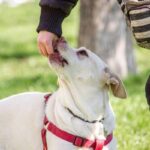

Puppy biting can feel relentless because it often appears during the moments you want calm interaction: playtime, cuddles, walking across the room, or putting on a lead. The reassuring part is that most puppy nipping is normal. Puppies explore with their mouths, practise social skills through play, and chew more while teething. The goal is not to frighten a puppy into keeping its mouth shut. It is to teach that human skin and clothing are never appropriate chew targets while providing safe ways to play and settle.
Progress usually comes from several small habits used consistently by everyone in the household. These eight techniques focus on reward-based training, management, and realistic puppy development.
1. Redirect Teeth to an Appropriate Toy
Keep soft tug toys and puppy-safe chews within reach where biting happens most. When your puppy aims for hands, sleeves, or ankles, stop moving and calmly present the toy. Praise or continue play when the puppy takes it.
Redirect before the puppy becomes wildly excited, not after a long wrestling match with your trouser leg. For a puppy that ambushes moving feet, carry a tug toy and make the toy move while your feet become still. The puppy learns that biting the toy starts fun, while biting people makes movement stop.
2. End Play Briefly When Teeth Touch Skin
A short loss of attention can teach that rough play ends the social interaction. The moment teeth press on skin, calmly say a consistent phrase such as “too bad,” stand up, and withdraw attention for a few seconds. Return when the puppy is calmer and offer a toy or simple cue.
Do not shout, chase, or shut the puppy away for a long period. The lesson is simply that gentle play continues and painful play stops. Some puppies become more excited by high-pitched yelping, so a quiet marker and brief withdrawal may work better.
3. Reward Gentle Mouths and Calm Choices
Owners often react when a puppy bites but overlook moments when the puppy sits, licks, sniffs, or keeps four paws on the floor. Reward those choices with food, praise, or play. This gives the puppy a clear alternative rather than only hearing what not to do.
During handling, feed tiny treats while touching the collar, paws, ears, or coat. Stop before the puppy becomes frustrated. This builds positive associations and reduces the chance that routine grooming turns into puppy nipping.
4. Teach Bite Inhibition Gradually
Bite inhibition training helps a puppy learn to control jaw pressure. Puppies begin learning this with littermates when rough biting makes play stop. People can continue the lesson by pausing interaction after harder bites and rewarding gentle contact.
Do not deliberately encourage repeated hand biting to “test” the puppy. Move steadily toward a household rule that teeth do not touch human skin. If the puppy is already biting softly, begin ending play for any tooth contact while redirecting to a toy.
5. Meet the Needs of a Teething Puppy
A teething puppy needs legal chewing options. Offer suitable rubber toys, food-stuffable toys, or vet-approved chews sized for the puppy. Chilled toys can be soothing, but avoid objects that are hard enough to damage teeth or small enough to swallow.
Rotate a few safe options rather than leaving every toy available all day. Novelty can make the correct item more interesting than furniture or fingers. Supervise chewing and replace damaged toys before loose pieces become a hazard.
6. Prevent Overtired and Overstimulated Biting
Many intense biting episodes happen when a puppy is tired, hungry, overexcited, or needs the toilet. Puppies do not always put themselves to sleep when exhausted; some become faster, louder, and mouthier instead.
Track when the worst episodes occur. If biting starts after an energetic evening play session, shorten the game and follow it with a toilet break, a chew, and quiet rest in a comfortable pen or crate. A useful routine is short training, gentle sniffing, toilet time, then a nap. Rest is management, not punishment.
7. Manage the Environment and Family Interactions
Baby gates, pens, supervised leads, and tidy rooms prevent a puppy from rehearsing unwanted behaviour. Children should not run, squeal, wave hands near the puppy’s face, or wrestle with the puppy. Adults should supervise closely and separate child and puppy when either becomes overexcited.
Use non-contact games such as fetch, scent searches, and structured tug rather than rough play with hands. Make sure everyone follows the same rules. If one person encourages sleeve grabbing while another tries to stop it, learning will be slower.
8. Get Professional Help for Concerning Biting
Normal play biting usually happens with a loose, bouncy body and improves when play stops or a toy appears. Seek help promptly if biting is accompanied by a stiff posture, repeated guarding, intense growling, fear, sudden behaviour change, or bites that regularly break skin. Pain can also change behaviour, so begin with a veterinary check when biting appears unusual or suddenly worsens.
A qualified reward-based trainer can observe triggers and create a plan. More serious fear or aggression concerns may require a veterinary behaviour professional. Avoid trainers who recommend hitting, alpha rolls, scruff shaking, muzzle grabbing, shock collars, or other methods designed to frighten or hurt the puppy. Aversive methods can damage welfare and trust.
Common Mistakes That Slow Progress
Pulling hands or feet away quickly can turn them into moving targets. Freezing, redirecting, and calmly ending attention is usually clearer. Do not hold the puppy’s mouth closed, tap the nose, or push fingers into the mouth. These reactions may increase fear, excitement, or defensive biting.
Consistency matters more than perfection. Keep interactions short, notice the puppy’s arousal level, and finish play before it becomes chaotic. Related guides that fit naturally here include puppy crate training, puppy teething care, and reward-based obedience basics.
Frequently Asked Questions
When do puppies usually stop biting?
Mouthing generally improves as training becomes consistent, adult teeth replace puppy teeth, and self-control develops. The timeline varies, so focus on a steady reduction in frequency and force rather than one exact age.
Should I yelp when my puppy bites?
It helps some puppies pause, but it excites others. If yelping makes the puppy bite harder or chase you, use a calm phrase and briefly withdraw attention instead.
Can I use a crate as a time-out?
A crate should remain a safe resting place. Use it for planned naps and calm settling, not angry punishment. For biting, a brief withdrawal of your attention is usually clearer.
Why does my puppy bite more in the evening?
Evening biting often follows accumulated tiredness and stimulation. Shorter play, a toilet break, an appropriate chew, and an earlier quiet period can help.
Build Better Habits One Interaction at a Time
Learning how to stop puppy biting is less about one dramatic correction and more about hundreds of clear, calm repetitions. Redirect to toys, reward gentle behaviour, protect rest, and end rough play without frightening the puppy. With consistent bite inhibition training and good management, most puppies learn that people are for safe interaction and toys are for teeth.