
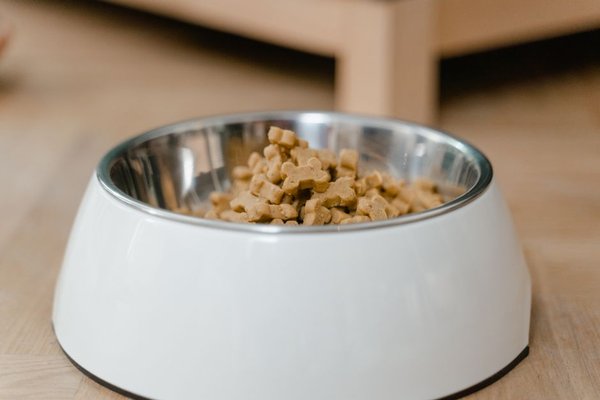
Fresh dog food has moved from a niche subscription idea to a highly visible part of the pet-food market. Industry reporting published in 2024 found that dollar sales of fresh dog food had climbed 86% since 2021. That growth shows owners are interested in meals that look less processed and more recognisable, but it does not prove that fresh food is automatically healthier. In the fresh dog food vs kibble debate, the best choice is the diet that is nutritionally complete, safe, suitable for your dog and realistic to feed consistently.
What Is the Difference Between Fresh Dog Food and Kibble?
Fresh dog food is usually made with cooked meat, vegetables, grains or other carbohydrate sources, plus added vitamins and minerals. It is commonly refrigerated or frozen and may arrive in pre-portioned packs. Fresh does not necessarily mean raw, homemade or unprocessed. Commercial meals still require formulation, cooking, packaging and preservation controls.
Kibble is dry food made by combining ingredients, cooking the mixture under heat and pressure, and shaping it into bite-sized pieces. Its low moisture content gives it a long shelf life and makes storage simple. Although critics sometimes dismiss dry food as “highly processed,” processing alone does not determine nutritional quality. Good kibble nutrition depends on the finished recipe, nutrient balance, digestibility and quality control.
Nutrition: Fresh Is Not Automatically Better
The most important words on a dog-food label are not “fresh,” “natural” or “human-grade.” Look for a statement showing that the product is complete and balanced for your dog’s life stage. In the UK and Europe, a food labelled “complete” should provide the nutrients a dog needs in the correct proportions when fed as directed. A “complementary” product is not designed to be the entire diet.
Both fresh food and kibble can provide complete nutrition. Both can also fall short when a recipe is poorly formulated or used incorrectly. A reputable manufacturer should explain who formulates its diets, which nutritional standards it follows, how it tests finished products and how it manages safety. Ingredient lists can identify specific items, but they do not reveal the overall quality or digestibility of a food.
Fresh meals often contain more moisture than kibble, which can increase water intake. They may also appeal to picky dogs. Kibble can deliver precise nutrition in a compact form and may make calorie measurement easier. Neither format guarantees better skin, digestion, energy or longevity for every dog.
Cost and Everyday Convenience
Price is where the difference becomes obvious. Many fresh dog food brands cost considerably more per day than mainstream dry diets, especially for medium and large dogs. Compare the recommended daily feeding cost rather than the price per pack or kilogram, because fresh food contains much more water.
Fresh meals require refrigerator or freezer space, timely deliveries and careful handling of leftovers. Kibble is generally cheaper, easier to store and simpler to measure. It can be packed for trips and used in puzzle feeders. A nutritionally appropriate food that an owner can afford and serve reliably is usually better than a premium plan that becomes unsustainable after a few weeks.
Safety, Storage and Portion Control
Fresh cooked food should be refrigerated promptly and used within the manufacturer’s stated period. Bowls, utensils and preparation surfaces need regular washing. Raw food is a separate category from cooked fresh food and carries additional bacterial risks for pets and people, particularly children, older adults, pregnant people and anyone with a weakened immune system.
Dry food also needs sensible storage. Keep it cool and dry, ideally in its original bag inside a sealed container so the batch details remain available. Avoid damaged packaging and wash bowls and scoops regularly.
Whatever format you choose, portion control matters. Fresh food can look wholesome while still supplying too many calories, and an overfilled scoop of kibble can gradually cause weight gain. Use the feeding guide as a starting point, measure portions and adjust with your vet according to your dog’s weight, body condition, activity and health.
What About Homemade Dog Food?
Homemade dog food gives owners control over ingredients, but creating a complete recipe is more complicated than combining meat, rice and vegetables. Dogs require specific amounts and ratios of amino acids, fats, vitamins and minerals. Veterinary guidance warns that many recipes found online or in books are nutritionally incomplete.
Owners committed to home cooking should ask a veterinarian for a recipe formulated by a qualified veterinary nutrition specialist and follow it exactly, including supplements. Swapping ingredients, skipping a mineral mix or changing quantities can unbalance the diet. Homemade feeding may suit selected dogs, but it is not automatically safer or more nutritious than properly formulated commercial food.
Which Diet Is Better for Your Dog?
For a healthy adult dog, either format may be suitable when it is complete, balanced and fed in the correct quantity. Fresh food may suit an owner who values portioned meals, has adequate storage and can manage the ongoing cost. Kibble may be the stronger choice for affordability, travel, training and easy storage.
Your dog’s individual needs matter more than marketing. Puppies, pregnant dogs, seniors and dogs with allergies, digestive disease, kidney problems, pancreatitis or other conditions may need specific nutrition. A veterinarian can assess body condition, symptoms and current intake before a major change.
Switch foods gradually over several days unless your vet advises otherwise. Watch for vomiting, diarrhoea, persistent itching, reduced appetite or unexpected weight change. A glossy advertisement is not a substitute for how your dog responds.
Frequently Asked Questions
Is fresh dog food healthier than kibble?
Not necessarily. Fresh food may provide more moisture and strong palatability, but kibble can be equally complete and balanced. Formulation, safety, calorie intake and suitability for the individual dog matter more than format.
Can I mix fresh dog food with kibble?
Yes, many dogs can eat a mixed diet. Keep total daily calories appropriate and make sure toppers or complementary foods do not replace too much of a complete diet. Introduce changes gradually.
Does kibble clean a dog’s teeth?
Standard kibble is not a replacement for dental care. Some specially designed dental diets may help reduce plaque or tartar, but regular tooth brushing and veterinary dental checks remain important.
How do I compare fresh dog food brands?
Compare nutritional adequacy, life-stage suitability, formulation expertise, quality-control practices, feeding instructions, storage requirements and daily cost. Be cautious of brands relying mainly on attractive ingredients or vague wellness claims.
The Bottom Line
The fresh dog food vs kibble decision does not need a universal winner. Fresh food offers moisture, portioned meals and strong appeal for many dogs, while kibble remains affordable, practical and capable of delivering excellent nutrition. Start with a complete diet, choose a company with credible formulation and safety practices, feed the right amount and review your dog’s condition regularly. The best bowl is not the one following the loudest trend; it is the one that supports your dog’s health and fits your household well enough to serve consistently.