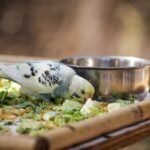
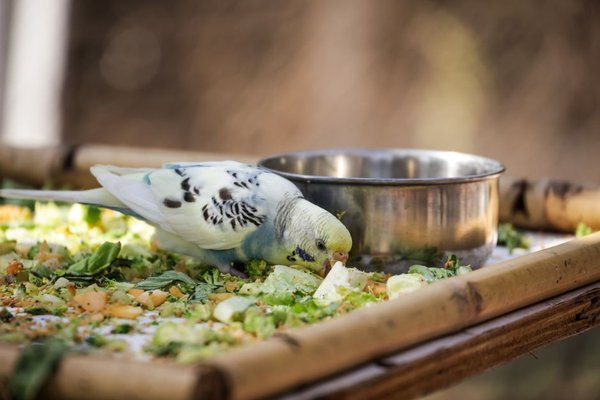
A pet bird may be curious about whatever is on your plate, but a bite of human food is not always harmless. A budgie, cockatiel, canary, finch, dove or parrot can encounter kitchen hazards, even though their nutritional needs differ. Knowing which foods birds should not eat helps prevent accidental poisoning without treating every ingredient as an emergency.
Some foods contain substances that cause serious illness. Others are unsuitable because of salt, fat, spoilage or poor nutritional value. The distinction matters when planning safe everyday meals and treats.
Foods That Can Be Toxic to Pet Birds
Avocado
Keep avocado flesh, skin, pit and leaves away from pet birds. Avocados contain persin, a substance associated with heart damage and breathing difficulties in susceptible birds. Budgies, canaries and cockatiels are among species with documented sensitivity. Do not assume a small taste of guacamole is safe: even plain avocado is a concern, and guacamole may contain other hazardous ingredients.
Chocolate and Cocoa
Chocolate contains theobromine and caffeine, compounds that can affect the heart and nervous system. Dark chocolate and baking cocoa generally contain more of these substances than milk chocolate, but none belongs in a bird’s treat dish. Chocolate cake, cocoa powder and chocolate-coated snacks also count. Keep them out of reach rather than trying to estimate a harmless portion.
Coffee, Tea and Energy Drinks
Caffeine can cause agitation, abnormal heart activity and potentially serious neurological signs. Never offer coffee, caffeinated tea, cola or energy drinks. A bird exploring the breakfast table may investigate an unattended mug, so remove drinks before allowing playtime nearby.
Alcohol
Beer, wine, spirits and foods containing alcohol are inappropriate for birds. Alcohol can interfere with coordination and normal nervous-system function. Do not offer a sip or let a bird taste a cocktail garnish soaked in alcohol.
Onions, Garlic and Related Seasonings
Onions and garlic contain sulfur compounds that may damage birds’ red blood cells and affect other organs. Avoid them raw, cooked, powdered or mixed into sauces. A spoonful of pasta or seasoned vegetables may contain onion powder or garlic, so plain preparation is the safer choice.
Apple Seeds and Stone-Fruit Pits
Many birds can enjoy appropriately prepared apple, peach or cherry flesh, but the seeds and pits should be removed. Apple seeds and the kernels inside pits from cherries, peaches, plums and apricots contain cyanogenic compounds that can release cyanide when crushed or chewed. This does not mean the entire fruit is forbidden; preparation matters. Offer washed, seedless pieces instead of whole stone fruit.
Rhubarb Leaves
Rhubarb leaves contain oxalates and are associated with dangerous changes in blood calcium and kidney function. Keep the leaves away from feeding areas and choose a well-established bird-safe vegetable instead.
Other Unsafe Bird Foods That Deserve Attention
Salty, Greasy and Sugary Snacks
Chips, salted popcorn, instant noodles, fried foods and heavily sweetened desserts are poor bird treats. Excess salt can disrupt fluid balance, while fatty or sugary foods displace nutritious choices. A few sunflower seeds may fit some species’ treat plans, but an all-seed or snack-heavy diet is not balanced. These are dietary hazards, not necessarily the same kind of acute poisoning as avocado or chocolate.
Moldy Food and Poorly Stored Seeds
Mold can develop in seed mixes, nuts, grains and damp food bowls. Some molds produce harmful toxins, and visible mold is reason enough to discard food. Store feed in a dry, sealed container and replace fresh produce before it spoils. Do not simply cut away mold and offer the remainder.
Raw Dried Beans and Kitchen Scraps
Raw or inadequately cooked dried kidney beans contain lectins that can cause illness. If beans suit your bird’s diet, use thoroughly cooked, unseasoned portions. Avoid unknown leftovers: sauces may hide onion, garlic or salt. Dairy is a poor everyday choice because many birds digest lactose poorly, although a tiny accidental taste is not automatically poisoning.
A Practical Bird Food Safety Routine
Imagine preparing fruit salad while your cockatiel watches from the counter. Apple slices may be appropriate after removing the seeds, but the avocado for your lunch must stay off the bird’s plate. Wash produce, remove pits, cut manageable pieces and serve them separately from seasoned human food.
Before sharing anything, check the ingredients, preparation method and freshness. Foods parrots cannot eat are not automatically safe for finches or doves, and the reverse is not always true. Species-specific nutrition particularly matters for specialist feeders such as lories and lorikeets, which require carefully designed diets.
For many companion birds, a veterinary-recommended formulated diet with suitable vegetables and limited treats provides a foundation. Correct proportions depend on species, age and health. Learning about bird-safe fruits and vegetables, balanced diets for pet birds and healthy bird treats makes everyday choices easier.
What If Your Bird Eats Something Dangerous?
Remove access to the food and contact an avian veterinarian or emergency veterinary service promptly. Explain the bird’s species and approximate weight, what was eaten, how much may be missing and when exposure occurred. Keep packaging or a photograph of the ingredients. Do not wait for symptoms after known exposure to a potentially toxic food.
Warning signs may include weakness, unusual fluffing, loss of appetite, changes in droppings, trembling, poor coordination or breathing difficulty. Birds often hide illness, so a normal appearance immediately after eating is not proof of safety. Never try to make a bird vomit or give home remedies or activated charcoal unless a veterinarian specifically directs you.
Frequently Asked Questions
Can pet birds eat food from my plate?
Sometimes, but only when the ingredients and preparation suit that species. Plain, washed vegetables may be acceptable; salty, buttery or onion-seasoned dishes are best avoided. Set aside an appropriate portion before seasoning rather than sharing leftovers.
Are grapes and raisins toxic to birds?
Grapes are not generally classified with established toxic foods for birds, unlike warnings for dogs. Some species can eat small amounts of washed, seedless grape as an occasional treat. Dried fruit is concentrated in sugar, so portions and species-specific advice still matter.
Is a tiny bite of chocolate or avocado safe?
Neither should be offered in any amount. Risk depends on species, dose and individual circumstances, and owners cannot reliably judge a safe amount at home. If exposure occurs, call an avian veterinarian immediately.
Can birds eat cooked vegetables?
Many can eat suitable vegetables cooked without salt, oil, butter, onion or garlic. Let food cool first and remove leftovers promptly. Ask an avian veterinarian which vegetables and portions fit your bird’s diet.
Keep Treats Simple and Hazards Out of Reach
Good bird food safety comes from reliable habits. Keep avocado, chocolate, caffeine, alcohol and other known hazards inaccessible; prepare fruits carefully; and avoid spoiled or heavily seasoned foods. When unsure, choose an established species-appropriate food and check with an avian veterinarian before introducing something new.