The best substrate for reptiles depends less on which bag looks natural and more on what the animal does on the ground. A leopard gecko needs secure footing and may dig; a crested gecko needs a moisture-managing forest floor; a snake may burrow beneath its bedding. The right choice balances humidity, hygiene, texture and the risk of swallowing loose material.
Start with the species, its age and its enclosure conditions. No reptile bedding is safe for every animal, and even a suitable material can become problematic when soaked, dusty or paired with incorrect heating.
How Common Reptile Substrate Types Compare
Organic Topsoil and Soil-Based Mixes
Fertilizer-free, pesticide-free topsoil can form a base for naturalistic terrariums. Mixed with appropriate sand or clay, it supports digging and creates a firmer surface than loose sand. For humid habitats, prepared soil blends can support plants and beneficial invertebrates.
Garden soil may contain fertilizer, manure, moisture-retaining crystals or contaminants. Choose a reptile-appropriate product, remove debris and check how it behaves when damp. Soil that stays muddy or develops mold needs attention.
Washed Sand and Sand–Soil Blends
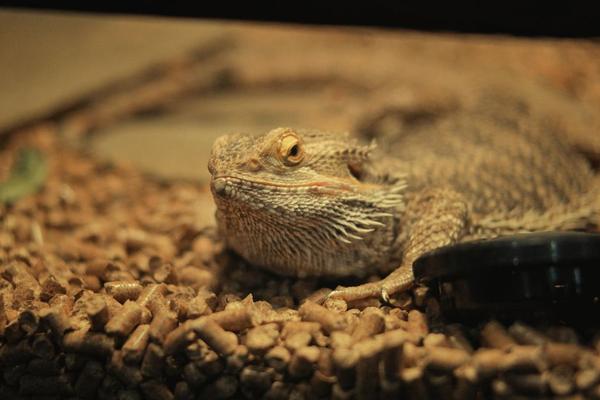
Sand drains readily, but suitability is species-specific. For healthy adult leopard geckos, the RSPCA describes a mix of roughly equal parts organic soil and clean play sand as an option in a properly managed enclosure. Healthy adult bearded dragons may also use suitable sand or sand–soil blends. These are not blanket recommendations for sick animals, juveniles or every reptile.
Avoid calcium sand, sharp builders’ sand and dusty material. Pure loose sand can be unstable for digging and inappropriate for species such as corn snakes. Food dishes or feeding tongs may reduce accidental ingestion, but cannot correct poor husbandry.
Coconut Coir and Coconut Husk
Coconut coir retains moisture, making it useful for tropical terrarium substrate. It suits crested geckos when paired with ventilation and a surface layer of leaves or moss. Coarse coconut husk chips can add structure in some humid snake enclosures, though particle size and feeding habits matter.
Coir is not ideal everywhere. Kept too wet, it creates constantly damp contact surfaces; dried completely, fine fibers may become dusty. Measure humidity instead of soaking bedding by habit.
Cypress Mulch, Aspen and Other Wood-Based Bedding
Cypress mulch is often chosen for moisture-retentive snake setups, provided the pieces suit the animal and remain clean. Aspen shavings allow some snakes to tunnel and are easier to keep dry, but may mold when repeatedly dampened. These materials are not interchangeable simply because both are sold as reptile bedding.
Avoid cedar and aromatic wood shavings. Large, indigestible chips warrant caution where prey can pick up substrate. Compare material against humidity requirements and feeding behavior.
Slate, Textured Tile and Paper
Solid slate or unglazed, textured tile offers traction and easy spot cleaning. It suits selected dry-enclosure areas, especially when a separate dig box provides enrichment. Smooth flooring offers poor grip. Heavy pieces must be supported securely rather than balanced over burrows.
Paper towels are useful during quarantine, medical monitoring or an initial settling period because droppings remain visible. They do not provide digging opportunities or much environmental complexity, making them better as a temporary solution than a permanent floor.
Match the Substrate to the Reptile and Habitat
Leopard Geckos and Bearded Dragons
For healthy adults in well-regulated arid or semi-arid enclosures, an appropriate soil–sand mix can support digging. For young, unwell or newly acquired reptiles, a non-loose surface may make observation easier. Slate with a dig box offers a compromise for easier cleaning.
Desert reptiles do not necessarily need deep, loose sand. Natural environments include compacted soil, rock and varied textures. Heating, hydration and species-specific care remain essential. A guide to leopard gecko habitat setup can put substrate choices in context.
Crested Geckos and Other Humidity-Loving Species
For crested geckos, coconut coir or forest soil with leaf litter provides moisture retention and a natural surface. The enclosure still needs airflow and intervals when the surface dries back. Waterlogged floors invite hygiene problems; a hygrometer is more informative than appearances.
Humid hides differ from humidifying the entire floor. Many reptiles benefit from a localized hide with damp moss while the remainder of the habitat follows normal moisture requirements.
Corn Snakes and Moisture-Dependent Snakes
Corn snakes benefit from clean, burrowable organic soil mixes, with dry leaves providing cover. Aspen may suit some managed setups, but paper is better for temporary monitoring. Sand alone is not a good default. For moisture-dependent species such as ball pythons, suitable coconut-based or other humidity-retentive bedding may work better than dry aspen.
Consult a corn snake enclosure guide or ball python humidity guide before copying another keeper’s recipe. The goal is an appropriate microclimate, not a specific bag of bedding.
Check Safety Before Filling the Enclosure
Consider Ingestion Risk in Context
Loose substrate is not universally dangerous, but swallowing indigestible pieces can cause intestinal obstruction. Risk depends on particle type and size, feeding method, temperature, hydration and the animal’s health. Avoid calcium sand, crushed walnut shells, corn cob granules and unsuitable large chips. If your reptile stops passing waste, becomes lethargic or loses appetite, contact a reptile-experienced veterinarian promptly.
Try a Small Moisture and Texture Test
Before adding a full bag, place a sample in a separate container. Dampen it slightly, then watch whether it clumps, sheds dust, remains soggy or develops an odor. For example, a leopard gecko’s soil–sand blend should offer stable digging without staying wet across the enclosure. Check the habitat with a hygrometer once installed.
Remove droppings and contaminated patches promptly, inspect for mold, and replace bedding according to its condition. A bioactive system needs monitoring too: cleanup organisms do not eliminate waste or health checks.
Frequently Asked Questions
What is the safest reptile substrate for beginners?
Paper towels are straightforward for short-term observation, but the safest long-term choice depends on the species. A suitable naturalistic mix may support more normal behavior when heat, humidity and cleaning are properly managed.
Is sand always bad for reptiles?
No. Carefully selected sand or sand–soil mixtures suit certain healthy adult arid reptiles. Calcium sand, dusty products and sand used for the wrong species remain poor choices.
Can I use coconut fiber for every reptile?
No. Coconut fiber holds moisture, which helps some tropical species but may make a dry habitat too damp. Match it to the animal’s natural environment.
How often should I change reptile bedding?
Spot-clean whenever waste appears. Full replacement varies with material, moisture, contamination and whether the setup is bioactive. There is no reliable universal schedule.
Choosing a Better Floor for Your Reptile
The best substrate for reptiles supports normal movement and behavior without undermining cleanliness or humidity control. Compare texture, digging value, moisture retention and ingestion risk, then test under actual enclosure conditions. A safe reptile substrate works as part of a complete habitat—not as a substitute for one.