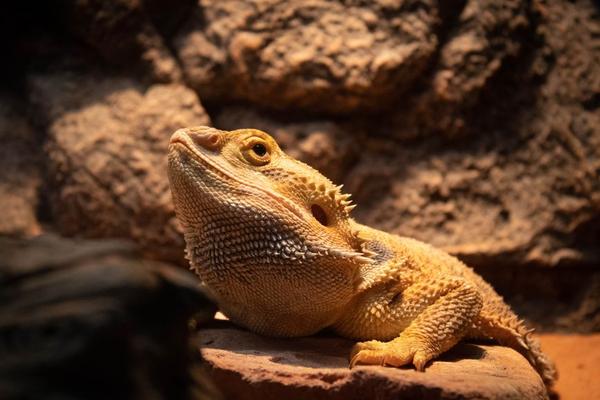
A bearded dragon may sit calmly on your hand, but its wellbeing depends on conditions you cannot judge by appearance alone. Heat, ultraviolet light, food, and space all work together. A lizard can seem comfortable while living under weak UVB lighting or in an enclosure that never gets warm enough. This bearded dragon care guide explains how to build a dependable routine and spot small problems early.
Build a Habitat Around Natural Behavior
Bearded dragons are active, daytime lizards that bask, explore, climb, and retreat to shelter. One adult needs an enclosure measuring at least 120 by 60 by 60 cm (approximately 4 by 2 by 2 feet); larger is welcome. Choose a secure, well-ventilated vivarium. House dragons individually because sharing can cause bullying, injuries, and competition for heat.
A good bearded dragon habitat includes a stable basking platform, climbing branches, and hiding places at warm and cool ends. Rough slate or suitable reptile-safe substrate can work; provide a digging area for natural behavior. Avoid calcium sand, crushed walnut, and large wood chips that may cause problems if swallowed. For new arrivals or sick lizards, paper lining makes droppings easier to monitor.
Get the Temperature Gradient Right
Bearded dragon temperature is not one number for the whole enclosure. Your pet must be able to move between a hot basking area and a cooler retreat. The RSPCA recommends approximately 38–42°C (100–108°F) at the hot end and 22–26°C (72–79°F) at the cool end. Check the basking surface and ambient air with appropriate thermometers rather than trusting a heater dial.
Use a guarded overhead basking lamp controlled by a suitable thermostat. Avoid heated rocks, which can cause burns. Nighttime temperatures can fall, but never use a bright lamp for overnight warmth. If the room becomes too cold, a thermostatically controlled, light-free heat source may be needed. Measure both ends daily, particularly when the weather changes.
Test the Setup Before Your Dragon Arrives
Run the fully equipped vivarium for about a week before bringing your pet home. Record temperatures in the morning, afternoon, and evening. If the cool end is nearly as warm as the basking end, adjust the layout or heating first. Fixing a temperature problem before the dragon arrives is easier than investigating why a new pet has stopped eating.
Provide Effective UVB Lighting
Bearded dragon UVB exposure allows the body to produce vitamin D3 and absorb calcium effectively. Without adequate exposure, metabolic bone disease can cause weakness and lasting skeletal damage. A bright ordinary bulb is not a substitute. A suitable high-output linear reptile UVB tube with a reflector, placed over the basking side, is a common solution.
Follow the lamp manufacturer’s instructions for mounting distance, mesh screening, and replacement. Glass and plastic block useful UVB, while output declines even when a lamp still appears bright. Aim for roughly 12 hours of daylight using a timer. Give the dragon shaded areas so it can regulate exposure. A specialist UV meter can help confirm levels.
Feed a Balanced, Age-Appropriate Diet
A healthy bearded dragon diet combines appropriately sized feeder insects with leafy greens and vegetables. Juveniles generally need more insects for growth; adults need a greater proportion of plant foods. Portions and frequency depend on age, body condition, and veterinary advice. An adult that eagerly eats every offered insect may still become overweight.
Choose Variety, Not Just Favorite Foods
Rotate washed, finely chopped greens such as collards, mustard greens, dandelion greens, and watercress. Gut-load feeder insects, including crickets, suitable roaches, or larvae, before feeding. Choose prey small enough to handle safely and remove uneaten insects afterward. Fruit should be an occasional treat. Never offer fireflies: they are toxic to lizards.
Calcium and vitamin supplements may be necessary, but more vitamin D3 is not always better. Ask a reptile veterinarian about products and dosing appropriate to your animal’s age, foods, and UVB setup. Offer meals during the day so your dragon can bask and digest before the lights switch off.
Keep Water, Humidity, and Surfaces Clean
Provide fresh water in a shallow, stable dish daily, even if your dragon rarely drinks. Wet, washed vegetables also contribute moisture. Bearded dragons generally need relatively low enclosure humidity, around 30–40 percent according to RSPCA guidance, with access to a modestly humid digging or shedding area. Use a hygrometer rather than guessing.
Remove waste promptly, clean dishes, and periodically disinfect with a reptile-safe cleaner, rinsing as directed. Wash your hands after handling the reptile or its equipment. Even healthy-looking dragons can carry Salmonella. Keep their dishes and cleaning tools away from food preparation areas. A broader reptile enclosure setup guide can help when selecting safe furnishings.
Handle Gently and Read Body Language
Start with calm, brief interactions after a new dragon has settled in. Approach where it can see you, lift with both hands, and support the chest, abdomen, and all four legs. Never grab the tail or force contact when it backs away. A black beard, puffing, gaping, or repeated escape attempts can indicate stress or overheating, depending on the context.
Keep sessions short enough to prevent excessive cooling, and supervise children. Return the dragon to its warmed enclosure afterward. Keep dogs and cats separate. Understanding reptile body language can make handling safer for both the pet and its keeper.
Monitor Shedding and Health
Young bearded dragons shed frequently as they grow. Skin may look dull beforehand; never pull off stuck pieces, particularly around toes and the tail. Check for retained skin that could restrict circulation. Persistent problems warrant reptile-veterinary advice rather than aggressive home removal.
Watch for unusual lethargy, ongoing refusal to eat, tremors, swollen limbs, breathing changes, diarrhea, or weight loss. Keep a simple log of weight, appetite, droppings, activity, and enclosure temperatures. Seasonal slowing, sometimes called brumation, should not be assumed to explain illness. Arrange a checkup with a reptile-experienced veterinarian, and ask whether a stool test is appropriate. A reptile health checklist can help you notice patterns.
Frequently Asked Questions
How big should a bearded dragon enclosure be?
For one adult, plan for at least 120 by 60 by 60 cm, ideally more. Space is useful only when it includes safe heat, UVB, climbing surfaces, hides, and a cooler retreat.
Do bearded dragons need UVB every day?
Regular daytime UVB exposure is standard captive care. Use a suitable reptile lamp, provide shade, and follow its mounting and replacement guidance.
Can bearded dragons eat only vegetables?
No. They are omnivores. Adults usually eat proportionally more greens than juveniles, but balanced feeding also includes suitable insects and appropriately guided supplementation.
How often should I handle my dragon?
Short, gentle sessions can become routine once your pet is settled. Support its whole body, watch for stress, and let it retreat whenever it needs space.
A Daily Routine That Works
Consistent bearded dragon care is less about expensive accessories than checking the essentials. Confirm heat and UVB, rotate safe foods, refresh water, clean waste, and observe behavior every day. With a stable habitat and prompt veterinary attention when needed, your dragon has the best chance to spend its days basking, exploring, and resting naturally.