Cold weather changes the rhythm of a backyard. Insects become harder to find, berries are picked over, snow can cover natural seed, and short daylight hours give birds less time to refuel. A well-managed feeding station can make that daily search for food easier, especially during storms, deep freezes, and stretches when natural options are scarce.
Winter bird feeding works best as a small habitat system rather than a single feeder. Food matters, but so do clean equipment, unfrozen water, shelter, safe placement, and a routine birds can learn.
Choose Energy-Rich Foods Birds Actually Use
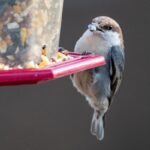
In cold weather, birds burn energy simply to maintain body temperature. That makes calorie-dense foods especially useful. Black-oil sunflower seed is one of the most versatile choices because many feeder species can handle its relatively thin shell and high-energy kernel. Chickadees, nuthatches, finches, cardinals, and several other common visitors readily take it where they occur.
Suet is another valuable winter option, particularly for woodpeckers, nuthatches, and chickadees. It provides concentrated fat and tends to perform better in cold temperatures than in summer heat. Shelled peanuts or peanut pieces can also attract jays, woodpeckers, titmice, and nuthatches. Nyjer seed is useful when finches are common in your area, while millet may appeal to some ground-feeding sparrows and doves.
Watch what disappears first. If birds consistently pick out sunflower seed and leave filler on the ground, switch to a simpler winter birdseed blend your local birds actually eat. Less waste means less spoiled seed beneath the feeder.
Use More Than One Feeding Style
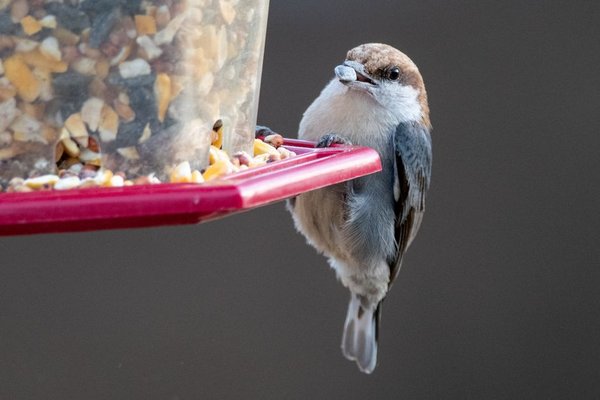
Different birds feed in different ways. A tube feeder can serve small clinging and perching species, while a suet cage gives woodpeckers and nuthatches a separate food source. A hopper feeder may suit larger seed-eating birds. Spreading activity across two or three feeders can also reduce crowding compared with forcing every visitor onto one small feeding surface.
Keep feeders protected from heavy precipitation when possible. After wet snow, freezing rain, or wind-driven rain, check whether ports are blocked or seed has clumped. Damp seed can spoil quickly, so discard anything moldy or foul-smelling rather than topping it off with fresh food.
A practical example: after an overnight snowstorm, clear the feeder roof and perches, then shake the seed chamber gently to loosen compacted seed. Refill only what is needed for the next day or two. That quick check is more useful than pouring extra seed into a feeder birds can no longer access.
Keep Water Available During Freezing Weather
Reliable water is easy to overlook when feeding birds in winter. Birds still need to drink, and open water may become limited when shallow puddles, ponds, and birdbaths freeze. A sturdy winter-safe bath can help, especially when it is placed where birds can see approaching danger and reach nearby cover.
Change the water frequently and scrub the bath regularly. A heated birdbath or birdbath heater designed for outdoor use can keep a small area ice-free, but it should be used exactly as the manufacturer directs. Never add salt, antifreeze, or other chemicals to stop freezing.
For more seasonal habitat ideas, useful internal topics include creating a bird-friendly garden, choosing a backyard bird feeder, and identifying common backyard birds in winter.
Make Feeder Hygiene Part of the Routine
Feeding stations bring birds together, and that concentration can make disease transmission easier if feeders stay dirty. Regular cleaning is a core part of cold weather bird care, not an optional extra. Remove old seed, hulls, droppings, and other debris before refilling. Scrub feeders with an appropriate cleaning solution, rinse them thoroughly, and let them dry completely before adding fresh seed.
A good baseline is to clean seed and suet feeders about every two weeks, with more frequent cleaning during wet conditions or whenever you notice spoiled food or signs of illness. Also tidy the ground beneath feeders. Wet hulls and uneaten seed can support mold and attract unwanted animals.
If several birds appear sick or dead around a feeding area, stop feeding temporarily, remove standing water, clean the equipment, and follow current guidance from your local wildlife or animal-health authority. Regional recommendations can change during disease outbreaks, so local advice should take priority over a fixed backyard routine.
Place Feeders Where Birds Can Feed More Safely
Weather protection matters, but so does the position of the feeder. Nearby shrubs or dense branches can give small birds a quick escape route from predators and harsh wind. At the same time, avoid placing a feeder where a stalking cat can hide immediately beside it.
Windows require special attention. Birds can strike reflective glass after leaving a feeder. A commonly recommended approach is to place feeders very close to a window, where birds cannot build much speed, or much farther away, rather than at an intermediate distance. Window treatments that make glass more visible to birds can add another layer of protection.
Keeping cats indoors is also one of the most direct ways to reduce predation risk around a feeding station.
Stay Consistent Without Overfeeding
A feeder is generally a supplement rather than a bird’s entire diet. Consistency is still helpful during severe weather because regular visitors learn where dependable food is available. Refill based on actual use, remove spoiled leftovers, and adjust the amount as activity changes.
Native trees, shrubs, seed heads, and brush piles can support birds alongside feeders by providing natural food and shelter. Leaving some seed-bearing plants standing through winter may offer feeding opportunities even when you are not filling a feeder.
Frequently Asked Questions
What is the best food for winter bird feeding?
Black-oil sunflower seed is a strong all-purpose choice for many common feeder birds. Suet, peanuts, nyjer, and other seeds can add variety depending on the species in your region.
Should I feed birds every day in winter?
You can maintain a regular feeding routine, especially during harsh weather, but feeders are supplemental. Focus on fresh food, clean equipment, and sensible quantities rather than keeping feeders constantly packed.
Do birds need water when there is snow?
Yes. Birds still need liquid water, and snow is not always an efficient substitute. An ice-free birdbath can be especially useful during prolonged freezing weather.
How often should winter bird feeders be cleaned?
About every two weeks is a practical starting point for many seed and suet feeders. Clean more often in wet conditions, when food spoils, or if illness is suspected among visiting birds.
A Better Winter Feeding Station Is a Balanced One
The most useful winter feeding setup is not necessarily the biggest. A modest station with high-quality food, fresh water, clean feeders, nearby shelter, and safe placement can do more for backyard birds than a row of neglected feeders. Pay attention to what your local birds use, adapt after storms, and keep the area clean. Those simple habits turn winter bird feeding into a steady, responsible form of seasonal support.