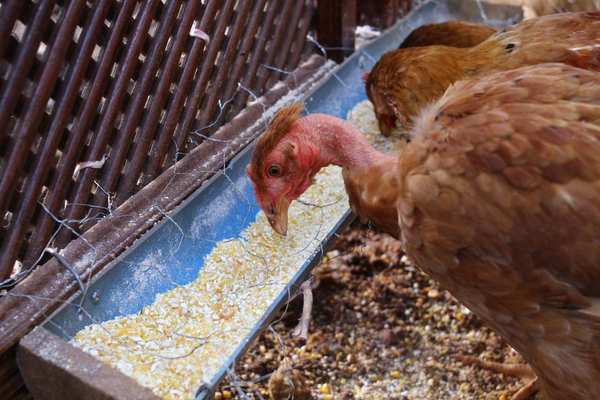
Feeding a chicken is easy until the feed-store shelves offer starter, grower, developer, layer pellets and all-flock rations. The right choice depends less on the bird’s size than on what its body is doing. A newly hatched chick is building muscle and feathers; a pullet is growing toward maturity; a laying hen is producing calcium-rich eggshells almost daily.
This chicken feeding guide by age follows those changes, with practical guidance for backyard keepers managing one age group or several together. The aim is simple: let a complete, age-appropriate feed do most of the nutritional work.
Chicken Feed by Age: The Simple Timeline
For chickens being raised to lay eggs, use these stages as a starting point rather than rigid deadlines:
From hatch to about six weeks, offer a complete chick starter feed, commonly around 18–22% protein. From roughly six weeks until the approach of laying, switch to a pullet grower or a suitable starter-grower ration, often around 15–18% protein. At the onset of egg production, commonly around 18–20 weeks but variable by breed and season, use a layer ration containing extra calcium.
Feed labels and breeder recommendations take priority over an approximate age chart. Some commercial starter-grower products cover a longer period, while meat chickens follow different feeding schedules altogether.
Hatch to Six Weeks: Build a Strong Start
Choose a Complete Chick Starter
Fast-growing chicks need concentrated protein, energy, vitamins and minerals in small, easy-to-eat portions. Starter crumble is usually more manageable than large pellets. Set a shallow feeder where chicks can reach it without climbing into the feed, and keep fresh, clean water available continuously in a chick-safe drinker.
Do not replace starter with cracked corn, kitchen scraps or a homemade grain mix. Even ingredients chickens enjoy can dilute the balance of nutrients they need during their fastest growth period. If you are deciding between medicated and unmedicated starter, check the active ingredient, vaccine history and local veterinary guidance; the word “medicated” does not make a feed suitable for every flock.
About Six to Eighteen Weeks: Feed for Steady Growth
Once pullets move past the earliest growth stage, their diet generally needs less protein than chick starter and still relatively little calcium. A complete grower feed supports continued development without treating a young bird as an egg producer. Some brands label this stage “developer”; follow the bag’s intended age range and nutritional instructions.
Do not rush pullets onto high-calcium layer feed merely because they look nearly adult. Their kidneys and skeleton are not adapted to the calcium levels intended for active layers. Nor should you switch simply because a calendar reaches exactly 18 weeks: breeds mature at different rates. Introduce the new ration gradually when a change is due.
When Hens Begin Laying: Introduce Layer Feed
Laying hens must replace calcium used to form eggshells. Typical layer feeds provide about 16% protein and roughly 3–4% calcium, though formulations vary. Begin the switch as the pullets approach or enter lay, using the manufacturer’s recommendations and actual egg production as guides.
Eggshell quality is one clue to how well the diet is working, but thin shells can also relate to age, illness, heat or other factors. Check the full ration and water supply before assuming that extra calcium alone will fix the problem. A mature standard-size hen may eat around a quarter pound of complete feed daily, sometimes more depending on breed, weather and production; continuous access is usually preferable to strict rationing.
For a flock already laying, a separate guide to improving eggshell quality can explore factors beyond the feed bag.
Grit, Oyster Shell and Treats Serve Different Jobs
Grit Is for Digestion; Oyster Shell Is for Calcium
Chickens have no teeth. Insoluble grit helps the gizzard grind fibrous foods, seeds and other coarse material. Birds eating only finely ground complete feed may need little extra grit, but those receiving scratch grains, greens or outdoor forage should have suitable poultry grit available. Use chick-sized grit for young birds and larger particles for adults.
Crushed oyster shell is not a grit substitute. It dissolves to supply calcium and is best offered separately, free-choice, to laying hens. That lets layers take additional calcium without mixing a high-calcium supplement into feed eaten by growing birds.
Keep Treats Truly Small
A balanced backyard chicken diet should be built on complete feed, not leftovers. Keep scratch grains and treats to a small share of intake, commonly no more than about 10%. Too many treats leave less room for the protein, minerals and vitamins in the main ration. Remove spoiled food promptly, and never offer moldy feed.
Feeding a Mixed-Age Backyard Flock
Imagine four hens laying eggs while six twelve-week-old pullets join the run. Putting everyone on layer pellets would expose the younger birds to unnecessary calcium. The easiest arrangement is separate feeding areas: grower for pullets, layer feed for hens, with oyster shell offered to the laying group.
If separation is impossible, an appropriately formulated all-flock feed or another lower-calcium complete ration suitable for the birds present can be an option, paired with free-choice oyster shell for the layers. Check the label carefully: all-flock products are not automatically suitable for newly hatched chicks. Chicks needing starter and adult hens may require separate access to their own diets, especially when a medication is involved.
This is also useful for flocks with roosters, which do not have laying hens’ calcium requirements. A guide to introducing new chickens to an established flock can help with the management side of a mixed-age setup.
Small Habits That Keep Feeding on Track
Keep complete feed dry, cool and protected from rodents. Buy quantities your flock will use while fresh, inspect bags for dampness or mold, and wash waterers regularly. Raise adult feeders roughly to back height to limit spillage, while keeping chick feeders low and reachable. Provide enough feeding space that even low-ranking birds can eat.
Frequently Asked Questions
Can chicks eat layer feed?
No. Layer feed contains much more calcium than growing chicks need and can harm immature birds. Use a complete starter ration suited to their age.
When should I switch from grower to layer feed?
Usually as pullets approach their first eggs, often around 18–20 weeks. Follow the feed label and the breed’s development rather than relying on age alone.
Do chickens need grit if they eat pellets?
Pellets made from complete ground feed are generally digestible without added grit. Provide appropriate insoluble grit if birds also eat forage, whole grains or other coarse foods.
Can hens live on scraps and free-range forage?
Foraging adds variety, but it rarely supplies a reliably balanced ration. Keep a complete feed available and treat scraps as occasional extras.
A Feeding Plan That Grows With Your Birds
The most reliable approach is to match the feed to the bird’s life stage, keep clean water constantly available and change rations when development calls for it. Starter fuels early growth, grower supports immature pullets, and layer feed supplies the calcium needed for eggs. Once those basics are right, grit, oyster shell and modest treats can play their proper supporting roles.