Picture a North American grassland with a dark, shaggy animal moving through the wind. An American bison looks almost prehistoric, yet it remains an active part of prairie ecosystems. More than a national symbol, this powerful grazer shapes vegetation, travels with changing seasons, and maintains complex social relationships. These American bison facts explain what makes the species remarkable—and why its recovery remains unfinished.
What Is an American Bison?
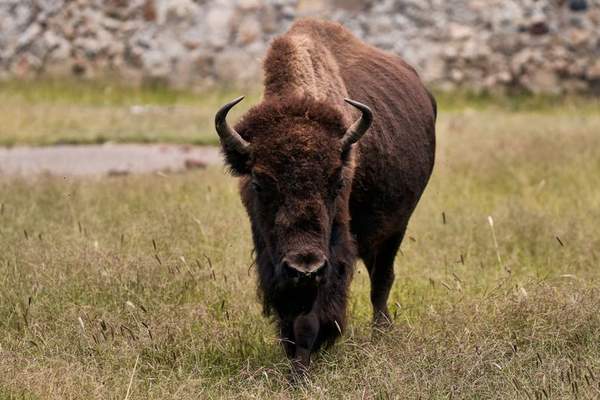
The American bison (Bison bison) belongs to the cattle family, Bovidae, and is North America’s largest land mammal. Its broad head, muscular shoulder hump, curved horns, and thick front coat create a distinctive silhouette. Muscles supported by elongated vertebrae form the hump, helping the animal move its head and sweep aside snow.
Adult bulls can weigh around 2,000 pounds (900 kilograms), while cows may approach 1,000 pounds (450 kilograms). Both sexes have horns. Although bison appear slow while grazing, they can run roughly 35 miles per hour (55 kilometres per hour) and turn surprisingly quickly.
Plains Bison and Wood Bison
North America has two recognized subspecies: plains bison and wood bison. Plains bison are associated with open grasslands; wood bison occupy more northerly landscapes, including Canada’s boreal region. Their hump shapes, sizes, and ranges differ, but both cope with seasonal changes.
Where Do American Bison Live?
Historically, bison ranged across huge areas of North America. Today, free-ranging and conservation herds occupy a smaller patchwork of protected areas, Tribal lands, and restoration sites.
Good bison habitat provides grasses and sedges, water, and room to move between seasonal feeding grounds. Open prairie is the classic setting, but bison also use meadows, river valleys, and woodland edges. Yellowstone National Park protects one of the best-known continuously wild populations in the United States.
Habitat is more than a place to stand. A summer feeding area may offer little accessible food after winter snowfall. Fences, roads, and development can interrupt essential movement.
What Do Bison Eat?
The bison diet consists mainly of grasses and sedges, with other plants eaten when available. Bison are ruminants: they ferment fibrous plants in a multi-chambered stomach and chew cud to extract nutrients from tough forage.
Grazing changes the prairie. By repeatedly cropping patches of grass, bison encourage fresh growth and create different vegetation heights. Dung returns nutrients to the soil. Moving herds produce a mosaic of grazed and less-grazed patches that other wildlife can use.
How Do Bison Herds Behave?
Bison herd behavior changes throughout the year. Cows and calves typically form groups, sometimes joined by younger animals. Mature bulls may live alone or in small male groups outside the breeding season. Herd sizes respond to food supplies, geography, and season.
During the summer rut, bulls compete for mating opportunities. They bellow, posture, and sometimes clash with their horns and considerable weight. Contests can cause serious injuries, although many disputes end without prolonged fighting.
Bison also communicate through grunts, snorts, posture, and movement. They roll in dusty depressions called wallows, possibly to discourage insects and shed loose hair. Those basins also form distinctive grassland microhabitats.
Do Bison Migrate?
Some herds move seasonally as snowpack, forage, and water availability change. In Yellowstone, bison often use higher grasslands in summer and move toward lower elevations or areas with less obstructive snow in winter. Patterns vary between herds and years.
Bison can swing their powerful heads to expose buried plants, but severe winters still make feeding harder. Seasonal movement shows why connected bison habitat matters as much as summer grass.
Calves, Lifespan, and Natural Threats
After a gestation of about nine and a half months, a cow generally gives birth to one calf in spring. Newborns have reddish-brown coats, earning the nickname “red dogs.” They stand and follow their mothers soon after birth, a valuable advantage in open country.
Calves nurse for months while learning to graze. Wild bison commonly live 12 to 15 years, although some survive longer. Wolves and bears may prey on vulnerable animals, especially calves; harsh winters, illness, and food shortages also threaten survival.
How Bison Shaped North American History
Before widespread commercial hunting, tens of millions of bison roamed North America. For many Indigenous nations, they were central to food systems, material culture, economies, and spiritual traditions. These relationships differed among communities and continue today.
During the nineteenth century, commercial slaughter, habitat loss, disease, and policies targeting Indigenous livelihoods pushed plains bison close to extinction. By the late 1800s, roughly a thousand remained. Conservation involving Indigenous communities, private herds, and public protection prevented their disappearance.
Yellowstone’s surviving wild herd became especially important. Today, Tribal programs and conservation partnerships help restore bison to appropriate landscapes. Numbers alone are not enough: herds also need genetic diversity, ecological space, and opportunities to behave as wild animals.
Why Bison Still Matter to Prairie Wildlife
Bison are called ecosystem engineers because grazing, hoofprints, dung, and wallows alter their surroundings. These effects can benefit plants, insects, and other grassland species. Restoration can therefore bring back ecological processes, not merely a large animal.
For a broader perspective, compare the grazing patterns of North American hoofed mammals and the habitat needs of grassland birds. These connections reveal how prairie animals influence one another.
How to Watch Bison Safely
A roadside bison can appear calm, but its reactions are unpredictable. In Yellowstone, visitors must stay at least 25 yards (23 metres) away. Use binoculars or a telephoto lens, remain in your vehicle during roadside encounters, and never separate a cow from her calf.
If a herd crosses a road in Lamar Valley, stop safely and allow it to pass. Do not step outside for a closer photograph. Head tossing, pawing, and a raised tail may signal agitation. Follow local park rules.
Frequently Asked Questions
Are American bison and buffalo the same animal?
In everyday North American speech, “buffalo” often means American bison. Scientifically, buffalo vs bison describes different animals: true buffalo include African buffalo and Asian water buffalo, while the American species is Bison bison.
Can bison survive a snowy winter?
Yes. Dense coats, large bodies, and strong neck muscles help them withstand cold and reach vegetation under snow. Extreme snow or prolonged severe weather can still threaten a herd.
Are bison endangered today?
The species survived near-extinction, and many animals now live in managed herds. However, truly wild, wide-ranging herds remain limited, making habitat and population restoration an ongoing challenge.
Why do bison roll in dirt?
Wallowing may remove loose hair, discourage insects, and serve as a display. Repeated use creates shallow depressions in the ground.
The Lasting Story of the American Bison
The most revealing American bison facts go beyond size and speed. Herds connect seasons to landscapes, calves carry a long survival story forward, and grazing sustains varied prairie habitats. That bigger picture makes the bison’s history—and continuing restoration—far more meaningful.