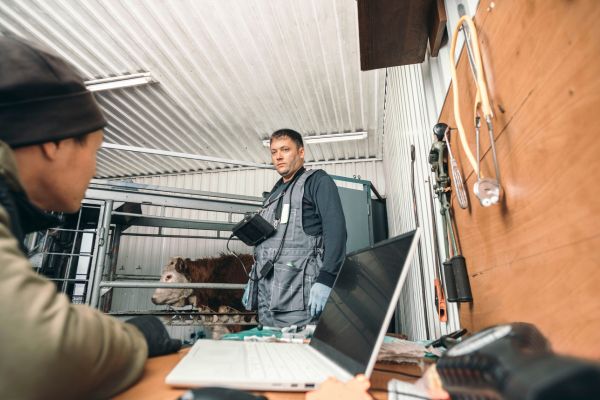
Caring for livestock requires experience, planning, and timely medical attention. Whether you own cattle, horses, goats, sheep, pigs, or other farm animals, transporting large animals to a veterinary clinic is often impractical—or even impossible. That’s why many producers rely on mobile livestock veterinary services that bring professional veterinary care directly to the farm.
A mobile livestock veterinarian provides on-site medical care that helps keep animals healthy while minimizing stress and transportation challenges.
What Is a Mobile Livestock Veterinarian?
A mobile livestock veterinarian is a licensed veterinarian who travels to farms, ranches, and rural properties to provide veterinary services for large animals.
Instead of loading animals into trailers and transporting them to a clinic, the veterinarian arrives with specialized equipment needed for examinations, diagnostics, treatment, and preventive care.
Mobile services are commonly available for:
- Cattle
- Horses
- Sheep
- Goats
- Pigs
- Alpacas and llamas
- Backyard livestock
Services a Mobile Livestock Vet Can Provide
Many farm owners are surprised by the variety of services that can be performed on-site. Common services include:
- Wellness examinations
- Vaccinations
- Health certificates
- Pregnancy diagnosis
- Lameness evaluations
- Injury treatment
- Disease diagnosis
- Parasite control
- Herd health consultations
- Emergency care
- Minor surgical procedures
Regular veterinary visits help identify problems before they become costly herd-wide issues.
Benefits of Mobile Veterinary Care
Having a veterinarian come directly to your property offers several advantages.
Less Stress on Animals
Transporting livestock can be physically demanding and stressful. Animals generally remain calmer when examined in familiar surroundings.
Time Savings
Loading trailers, traveling to clinics, and unloading animals can consume hours of valuable work time. Mobile services eliminate much of that effort.
Herd-Level Evaluations
Because the veterinarian can observe animals within their normal environment, they may notice housing, nutrition, or management factors contributing to illness.
Faster Treatment
Prompt veterinary attention can reduce the severity of illness and improve recovery outcomes for individual animals.
Preventive Care Matters
Routine veterinary care isn’t only about treating sick animals. Preventive medicine plays a major role in maintaining healthy herds.
Preventive services may include vaccination schedules, parasite management, nutritional recommendations, reproductive planning, and biosecurity practices that reduce disease risk.
Working with a veterinarian throughout the year helps producers improve animal welfare while supporting productivity.
Veterinary Guidance for Animal Health
The American Veterinary Medical Association emphasizes the importance of preventive veterinary care, routine health management, and professional veterinary oversight to promote animal welfare and maintain healthy livestock populations. Regular veterinary involvement can help detect disease earlier and improve long-term herd health.
When Should You Call a Mobile Livestock Vet?
Contact your veterinarian if you notice:
- Animals refusing to eat
- Sudden weight loss
- Difficulty breathing
- Lameness
- Calving or foaling complications
- Diarrhea affecting multiple animals
- Neurological symptoms
- Unexpected deaths within the herd
Early intervention often prevents more serious problems from developing.
Building a Relationship with Your Veterinarian
Routine visits allow your veterinarian to become familiar with your animals, facilities, and management practices. That knowledge helps them make faster, more informed decisions when emergencies occur.
Whether you own a small hobby farm or manage a large commercial operation, establishing an ongoing relationship with a mobile livestock veterinarian is one of the best investments you can make in your animals’ health.
Conclusion
Mobile livestock veterinary services bring professional medical care directly to your farm, reducing stress on animals while making veterinary care more convenient and efficient. From preventive medicine and herd health planning to emergency treatment, a trusted mobile veterinarian plays an essential role in keeping livestock healthy, productive, and thriving.
Frequently Asked Questions
What animals can a mobile livestock veterinarian treat?
Most mobile livestock veterinarians care for cattle, horses, goats, sheep, pigs, alpacas, llamas, and other farm animals.
Do mobile veterinarians handle emergencies?
Many do. Availability depends on the practice, so it’s helpful to establish care before an emergency occurs.
Can vaccinations be done on the farm?
Yes. Routine vaccinations and preventive health programs are among the most common mobile veterinary services.
How often should livestock receive veterinary examinations?
The schedule depends on the species, age, and production goals, but annual wellness visits and herd health consultations are commonly recommended.
Are mobile veterinary visits more expensive?
Travel fees are typically included, but many producers find the convenience and reduced transportation costs make mobile care a valuable investment.
Can a mobile livestock veterinarian help improve herd health?
Absolutely. In addition to treating individual animals, mobile veterinarians provide guidance on nutrition, biosecurity, vaccination programs, reproductive management, and disease prevention to support the health of the entire herd.
Questions and answers provided by Arizona Mobile Vet.