Finding feathers on the cage floor can be alarming, especially if you are caring for a bird for the first time. In many cases, though, pet bird molting is the normal process of shedding older feathers and replacing them with new ones. A healthy molt happens gradually, helping the bird maintain enough plumage for insulation, protection, and flight.
The key is to look at the whole bird rather than the number of loose feathers on one day. Normal feather replacement has a pattern: old feathers drop, new pin feathers appear, and the bird otherwise continues eating, moving, vocalizing, and interacting in a reasonably familiar way. Sudden baldness, damaged feathers, bleeding, or signs of illness deserve more attention.
What Happens During a Normal Molt?
Feathers wear with use and cannot repair themselves once fully grown. Molting allows a bird to replace worn plumage. Many pet birds undergo a noticeable molt at least once a year, while some may have partial molts or less predictable cycles depending on species, age, daylight, indoor lighting, hormones, and individual biology.
During a normal molt, feathers are usually lost progressively rather than all at once. New feathers begin growing from follicles as pin feathers. These young feathers are wrapped in a keratin sheath and have an active blood supply while developing. As they mature, the blood supply recedes and the dry sheath is gradually removed through preening.
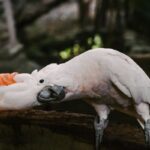
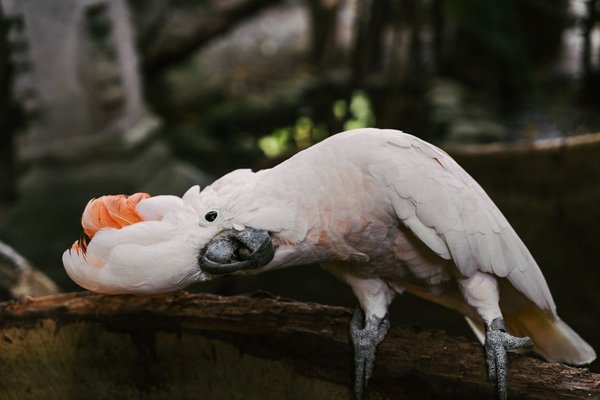
A parrot molt can look especially dramatic around the head because a bird cannot easily preen every feather there. Rows of short, spiky pin feathers around the crown, cheeks, or neck may look untidy but can be perfectly normal.
Common Bird Molting Signs
Loose feathers are the most obvious clue, but they are not the only one. A typical molt may bring more preening, visible pin feathers, fine feather dust or sheath flakes, and a temporarily scruffier appearance. Your bird may also seem quieter or more sensitive to touch because growing feathers can be uncomfortable.
Some birds are less interested in handling while pin feathers are developing. Respecting that change can prevent pressure on a tender new feather. Appetite and body weight should generally remain stable. A bird that becomes weak, stops eating, or loses weight should not be assumed to be “just molting.”
How to Support a Bird Through Molting
Keep the diet balanced
Growing feathers requires nutrients, including protein and amino acids, but that does not mean every molting bird needs high-protein supplements. A complete, species-appropriate diet is safer. Birds living mainly on seed-only diets may have nutritional gaps that affect skin and feather quality, so molting season is a good time to review everyday nutrition with an avian veterinarian.
A natural internal link can point readers to pet bird diet basics.
Offer bathing opportunities
Many birds enjoy bathing, misting, or a shallow dish during a molt. Moisture may help keep the skin comfortable and make dry feather sheaths easier to manage during normal preening. Use your bird’s preferred bathing method and keep the environment comfortably warm afterward.
Protect sleep and reduce stress
Feather growth takes energy. Consistent sleep, a predictable routine, safe exercise, and normal enrichment support general health. Avoid unnecessary stress and do not force interaction when your bird clearly wants space.
Another useful internal link could lead to pet bird sleep and cage routines.
Be careful around pin feathers
Owners sometimes help with pin feathers on a friendly parrot’s head. Only mature sheaths that are dry and ready to crumble should loosen easily. Never force a sheath open, twist a new feather, or continue if the bird pulls away. A developing blood feather can bleed if damaged.
If a growing feather is actively bleeding, apply gentle direct pressure with clean gauze and contact an avian veterinarian promptly if bleeding is more than minor, does not stop quickly, or the bird appears weak. Do not automatically pull the feather at home, as pulling can cause additional trauma.
When Feather Loss May Not Be a Normal Molt
Normal molting is gradual. Bald patches, damaged shafts, chewed feather edges, inflamed skin, repeated bleeding, or feathers that grow back abnormally can suggest another problem. Abnormal feather loss may be linked to nutritional deficiencies, skin or follicle infections, parasites, medical disease, environmental irritation, or feather-destructive behavior.
Arrange an avian veterinary assessment if you notice persistent bald areas, worsening feather quality, weight loss, reduced appetite, unusual droppings, breathing changes, lethargy, sores, crusting, or obvious self-plucking. Feather loss on areas the bird cannot easily reach, such as the top of the head, can also be useful information for a veterinarian.
A third internal-link opportunity is a guide to signs your pet bird may be sick.
A Practical Way to Judge What You Are Seeing
Imagine a cockatiel that leaves several feathers on the cage floor over a few days. It has new pin feathers on the head, eats normally, maintains its usual weight, still whistles, and has no bare skin. That picture is much more consistent with a routine molt than illness.
Now change the picture: the same bird develops a bald patch, spends long periods chewing feathers, eats less, and loses weight. Even with loose feathers present, those added signs make “normal molt” an unsafe assumption. Tracking weight on a bird-safe gram scale and taking clear photos every few days can give your veterinarian useful evidence.
Frequently Asked Questions
How long does pet bird molting last?
There is no single timetable. The length and intensity vary with species, age, individual bird, season, light exposure, and environment. A normal molt should look progressive rather than like sudden widespread feather loss.
Is my bird supposed to be itchy during a molt?
Some increased preening and sensitivity can occur as pin feathers grow and their sheaths dry. Severe scratching, damaged skin, sores, or constant distress should be checked rather than blamed on molting.
Should I give extra vitamins or protein during a molt?
Not automatically. A balanced, species-appropriate diet is more important than adding supplements without a specific reason. If you are unsure whether the diet supports healthy feathers, ask an avian veterinarian to review it.
Can a normal molt cause bald spots?
A healthy molt generally preserves overall feather coverage. Temporary thinning can occur, but clear or persistent bald patches are worth investigating, particularly when accompanied by damaged feathers, skin changes, behavior changes, or poor regrowth.
Keep the Whole Bird in View
Molting is a normal part of bird life, not a disease. The most reassuring pattern is gradual feather loss, healthy new pin feathers, stable weight and appetite, and otherwise familiar behavior. Good bird feather care is mainly about supporting normal health with balanced nutrition, bathing opportunities, adequate sleep, low stress, and gentle handling.
If the feather pattern looks unusual or your bird seems unwell, do not wait for the molt to finish before seeking help. An avian veterinarian can distinguish routine feather replacement from nutritional, behavioral, infectious, or other medical problems and help protect both the new plumage and the bird growing it.