Small pets often show stress quietly. A rabbit may eat less, a guinea pig may spend more time inside a hide, and a hamster may become defensive when handled. Because many small mammals are prey species, changes can be subtle. The most useful clue is not one isolated behavior, but a change from your pet’s normal routine.
This cross-species guide covers rabbits, guinea pigs, hamsters, gerbils, mice, rats, and similar companion mammals. The same behavior does not mean the same thing in every species, so treat these signs as an early-warning system rather than a diagnosis. Species-specific guides on rabbit behavior changes, hamster behavior and stress, and guinea pig body language can help with the details.
Start With Your Pet’s Normal Baseline
Stress is easiest to recognize when you know what normal looks like. Notice when your pet usually eats, sleeps, explores, grooms, and interacts with you. A hamster hiding during daylight may be completely normal, while a normally social rat that suddenly avoids cage mates or its owner deserves attention.
Watch appetite, water intake, droppings, activity, posture, and grooming. A sudden shift in several areas is more meaningful than one unusual moment.
Common Signs of Stress in Small Pets
More Hiding or Avoidance
Hiding pet behavior can increase after a move, cage change, loud event, new animal, or rough handling. A stressed animal may freeze, retreat when you approach, stay inside a shelter longer than usual, or avoid open areas. Give the pet a secure hiding place and avoid repeatedly pulling it out to check on it.
Changes in Appetite or Droppings
Eating less can accompany fear or environmental stress, but it can also signal pain or illness. Rabbits in particular can become seriously ill when food intake falls, so a rabbit that stops eating or has markedly reduced stool production needs prompt veterinary attention rather than a wait-and-see approach.
For other small mammals, persistent appetite loss, weight loss, diarrhea, abnormal droppings, or unusual thirst also warrants veterinary advice. Stress and illness can look alike, and sometimes illness is the reason the animal appears stressed.
Overgrooming, Fur Loss, or Poor Grooming
Grooming can change in both directions. Some animals groom excessively, while others stop maintaining the coat normally. An overgrooming rodent may develop thin patches or irritated skin, but fur loss can also come from parasites, skin disease, barbering by a cage mate, hormonal problems, or friction. Bald areas, sores, persistent scratching, dandruff, or redness should be checked by an exotics veterinarian.
Restlessness or Repetitive Behavior
Repeated pacing, bar biting, frantic digging, persistent escape attempts, or other repetitive actions can point to frustration, fear, inadequate enrichment, or an enclosure that does not support normal behavior. Some rodent stress signs become most obvious when a nocturnal animal is repeatedly disturbed during its sleeping period.
Aggression or Sudden Defensiveness
A normally tolerant pet that begins lunging, biting, chasing, boxing, or squealing during routine contact may be frightened, territorial, overstimulated, or in pain. Avoid punishment. Instead, look for what changed, such as a new scent, cage rearrangement, conflict with a companion, or handling that prevents retreat.
Look for the Trigger, Not Just the Symptom
Pet stress relief works best when you reduce the cause. Common triggers include loud televisions or speakers, frequent waking during normal sleep, sudden temperature changes, lack of hiding places, boredom, overcrowding, incompatible cage mates, predators such as dogs or cats staring into the enclosure, and repeated forced handling.
Social needs differ by species. Rats, guinea pigs, and some other small mammals generally benefit from appropriate companionship, while many hamsters are territorial and are commonly housed alone. Copying one species’ social setup for another can create stress rather than prevent it.
A Practical 24-Hour Stress Check
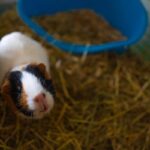
Suppose your usually curious guinea pig begins staying inside its hide after you move the enclosure into a busier room. First, check basic health signs: is it eating hay, drinking, producing normal droppings, and moving comfortably? Next, reduce the obvious pressure. Move the enclosure away from heavy foot traffic if possible, provide secure hides, keep handling gentle, and allow quiet time.
Then compare behavior with the pet’s usual baseline. If normal eating and exploration return when the room is quiet, the environmental change was likely contributing. If hiding continues alongside reduced appetite, abnormal droppings, labored breathing, lethargy, or signs of pain, contact a veterinarian instead of treating it as a behavior-only problem.
Simple Ways to Reduce Everyday Stress
Keep routines predictable. Feed at consistent times, provide species-appropriate bedding and enrichment, and place the enclosure where the pet can rest without constant disturbance. Offer hiding places without making the habitat too crowded.
Let the animal choose interaction when possible. Sit near the enclosure, offer an appropriate food by hand, and allow the pet to approach. For prey species, being chased around the cage before every handling session can turn routine care into a repeated stressor.
Enrichment should match natural behavior. Rats benefit from climbing and problem-solving; rabbits need room to move, chew, forage, and hide; guinea pigs need floor space, hay, tunnels, and shelters; hamsters need deep substrate for burrowing and opportunities to forage.
When Stress Signs May Actually Be Illness
Behavior changes deserve extra caution when they appear suddenly. Pain, dental disease, respiratory illness, digestive problems, skin conditions, urinary disease, and other medical problems can cause withdrawal, aggression, poor grooming, reduced appetite, or inactivity.
Seek veterinary care promptly for breathing difficulty, collapse, seizures, bleeding, severe diarrhea, obvious injury, marked weakness, or a substantial change in eating or elimination. With rabbits, not eating or a major reduction in droppings is especially urgent. An exotics-experienced veterinarian is often the best choice.
Frequently Asked Questions
Can a small pet be stressed even if it is still eating?
Yes. Mild or early stress may show up as more hiding, reduced exploration, defensiveness, repetitive behavior, or altered grooming before appetite changes. Compare several behaviors with your pet’s usual pattern.
How long does it take a small pet to calm down after a change?
There is no single timetable. A brief startle may pass quickly, while a move, new enclosure, or social conflict can affect behavior longer. Improvement should follow removal of the trigger. Worsening signs or health changes need veterinary attention.
Does hiding always mean stress?
No. Hiding is normal and necessary for many small mammals, and some species are naturally more active at night. Concern rises when hiding increases suddenly or appears with appetite loss, reduced activity, abnormal posture, or other changes.
Should I handle my pet more to help it get used to people?
Usually, gentle and gradual interaction is better than forced handling. Give the animal a predictable routine, reward calm approaches, and allow retreat. Confidence tends to build more reliably when the pet has some control over the interaction.
Watch for Change, Then Act Early
The clearest signs of stress in small pets are often changes in ordinary behavior: eating, hiding, grooming, movement, social interaction, and tolerance of handling. The goal is not to label every unusual action as stress, but to notice patterns early, improve the environment where appropriate, and recognize when a medical problem may be involved. Knowing your individual pet’s baseline gives you the best chance of telling the difference.