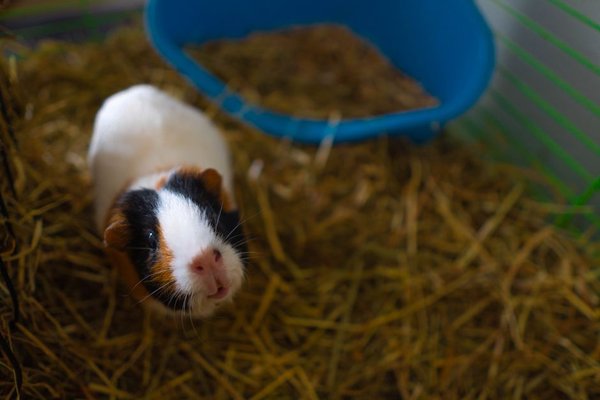
The best bedding for guinea pigs is the option that stays dry, keeps dust low, feels comfortable underfoot, and fits the cleaning routine you can maintain. Fleece, paper, and wood all have advantages, but they behave differently once guinea pigs start scattering hay, spilling water, and choosing a favourite toilet corner.
For most owners, the choice comes down to convenience, reusability, and product safety. Paper bedding is simple to replace and easy to spot-clean. A fleece cage liner can reduce disposable waste, but it needs an absorbent layer underneath and regular washing. Wood can be economical, yet the wood species, dust level, and treatment matter more than the price.
Quick verdict: fleece vs paper vs wood
Paper bedding is the easiest all-round choice for people who want a disposable, absorbent substrate with little setup. Choose an unscented, low-dust product made for small animals. Wet areas are easy to identify and remove.
Fleece is the strongest reusable option for indoor enclosures when you are willing to clean daily and wash liners regularly. The fleece should wick moisture through to an absorbent layer below rather than leaving urine on the surface.
Wood needs the most caution. Guidance varies on some shavings, but dusty sawdust, cedar, fragranced material, chemically treated wood, and strongly aromatic softwoods are poor choices. If you prefer wood, buy a low-dust, untreated product clearly sold as suitable for guinea pigs.
Fleece cage liners: reusable but higher maintenance
Where fleece works well
A good fleece cage liner can be comfortable on guinea pig feet. Because it is washable, you buy fewer bags of bedding over time. That can make the long-term guinea pig bedding cost attractive if you already have convenient laundry access.
Daily cleaning is straightforward because droppings, loose hay, and food debris stay on the surface. You can remove them quickly and focus on areas around hides, water bottles, and hay racks.
The trade-off
Fleece is not automatically absorbent bedding. It needs to move moisture into an absorbent layer underneath, and a poorly performing liner can leave damp patches. Fabric softener is usually avoided because it can coat fibres and reduce wicking.
You also need a consistent laundry routine. Keeping a spare set makes full changes easier and prevents a damp liner being left in place too long.
Paper bedding for guinea pigs: easiest for most homes
Quality recycled or compressed paper bedding is soft, absorbent, and generally lower in dust than fine sawdust. PDSA recommends compressed paper over dusty sawdust for small pets, and veterinary guidance commonly lists recycled paper products as suitable guinea pig bedding.
Paper also works well for guinea pig odor control because wet sections can be scooped out before moisture spreads. Odour is mainly a hygiene problem, not something that should be hidden with perfume. Skip scented or deodorising products and focus on dry bedding and regular cleaning.
The main disadvantage is recurring cost. Large enclosures can use a lot of material. Spot cleaning wet areas first can reduce waste and lower the ongoing guinea pig bedding cost.
Wood shavings: check the label carefully
Wood bedding is widely available and can be inexpensive by volume, but “wood shavings” is too broad a label to judge on its own. Some welfare guidance permits suitable dust-free wood products, while other veterinary guidance advises against wood shavings because certain types can irritate the respiratory tract. RSPCA guidance specifically warns against softwood products such as pine.
Avoid cedar, dusty sawdust, fragranced shavings, chemically treated wood, and products that do not clearly identify what they contain. If the packaging is vague, paper bedding is simpler because you do not have to guess which wood species is inside.
Which bedding controls smell best?
No bedding can replace cleaning. For reliable guinea pig odor control, the best system is the one that lets you remove urine-soaked material quickly and keep the floor dry. Paper makes wet zones easy to scoop out. Fleece can work well when the absorbent layer is effective and the liner is changed before moisture builds up.
If a toilet corner feels damp, smells strongly of urine, or stays wet under a hide, clean it immediately rather than waiting for a fixed deep-clean day.
A practical setup for two indoor guinea pigs
Imagine two guinea pigs in a roomy indoor enclosure. They eat most of their hay in one end and sleep under hides at the other. One practical arrangement is a washable fleece liner across the main floor with a removable tray of low-dust paper bedding under the hay rack. The fleece keeps the living area tidy, while the tray catches much of the urine, droppings, and hay mess.
This hybrid approach shows that bedding does not have to be all-or-nothing. Different materials can work in different zones as long as every surface remains safe, dry, and comfortable.
For related setup decisions, see our guinea pig cage size guide, guinea pig hay guide, and guinea pig care checklist.
What to look for before you buy
Choose bedding that is low in dust, unscented, untreated, absorbent, and comfortable underfoot. For fleece, check that the liner includes or sits over an absorbent core. For paper, choose a product designed for small animals. For wood, identify the actual wood species and avoid vague, aromatic, or dusty products.
Do not choose bedding because it promises to mask smells with fragrance. PDSA advises against deodorising chemicals for small-pet substrates. A neutral-smelling cage should come from moisture control and consistent cleaning.
Frequently asked questions
What is the safest bedding for guinea pigs?
Low-dust paper bedding is one of the simplest choices because it is soft, absorbent, and does not require you to identify a safe wood species. Properly maintained fleece is also a practical indoor option. Whatever you choose, keep it dry and avoid dusty, scented, or chemically treated materials.
Is fleece better than paper bedding?
Fleece is better for owners who want a reusable system and are comfortable with frequent cleaning and laundry. Paper is better for owners who prefer quick disposal, easy wet-spot removal, and no washing. Your maintenance routine matters more than the material alone.
Can guinea pigs use wood shavings?
Some guidance permits suitable dust-free wood bedding, but not every shaving product is appropriate. Avoid cedar, dusty sawdust, treated or fragranced wood, and aromatic softwoods where welfare guidance advises against them. If the label is unclear, paper is the simpler choice.
How often should guinea pig bedding be changed?
Remove wet bedding, droppings, and heavily soiled areas every day. A more thorough clean is commonly needed about weekly, although cage size, bedding type, and the number of guinea pigs will affect the schedule. Do not leave damp substrate in place simply to reach a fixed cleaning day.
Final choice
For a straightforward purchase, low-dust paper bedding is the easiest recommendation for most guinea pig homes. Choose fleece if you want a reusable system and can commit to regular spot cleaning and laundry. Choose wood only when the product is clearly identified, low in dust, untreated, and suitable for guinea pigs. The best bedding is the one that helps you keep the enclosure dry, clean, and comfortable.