
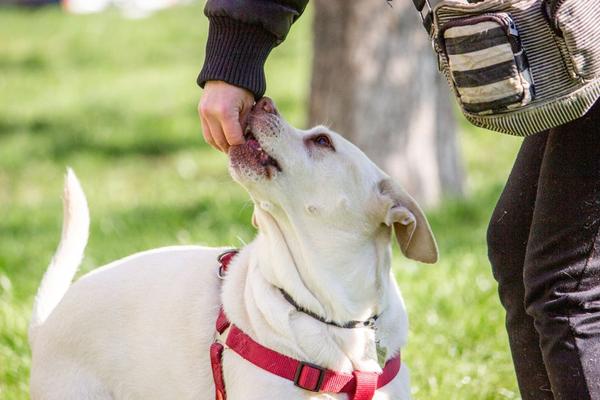
Positive reinforcement has moved from being treated as a “soft” alternative to becoming a central part of evidence-based dog training. The idea is simple: when a dog performs a behavior you want and something valuable follows, that behavior becomes more likely to happen again. Veterinary behavior organizations continue to recommend reward-based approaches because they can teach useful skills without relying on fear, pain, or intimidation.
That does not mean training is permissive or that a dog gets treats for everything. Good positive reinforcement dog training methods still use clear rules, careful timing, repetition, and management. The trainer focuses on showing the dog what to do and making the correct choice worthwhile.
What Positive Reinforcement Actually Means
In learning theory, positive reinforcement means adding something the dog values after a behavior so that the behavior is more likely to be repeated. If your dog sits when asked and receives a small piece of chicken, the food reinforces the sit. If your dog comes when called and you start a favorite game, play may reinforce the recall.
The reward has to matter to the individual dog. Food is convenient, but rewards can also include toys, sniffing, praise, petting, or play. Reward-based training works best when you notice what your dog genuinely wants in that moment.
Why Timing Matters
Dogs learn from consequences that closely follow their behavior. If the reward arrives too late, your dog may connect it with a different action. A short marker word such as “yes” or a click from a clicker can mark the exact instant the dog makes the correct choice.
In clicker training, the click is first paired with a reward so it becomes meaningful. The click does not replace the reward; it tells the dog precisely which action earned it. That makes markers especially useful for quick movements or behaviors performed at a distance.
Imagine teaching a puppy not to jump on visitors. The puppy approaches with four paws on the floor, so you mark and reward immediately. If the puppy jumps, you wait for four paws to return to the floor. With repetition, calm greetings become more worthwhile than launching at people.
How to Start at Home
Choose one easy behavior
Begin in a quiet room with a simple skill such as sit, eye contact, hand targeting, or going to a mat. Keep distractions low enough that your dog can succeed. Asking for too much in a busy environment often creates frustration rather than learning.
Mark and reward clearly
The instant your dog performs the behavior, use your marker word or click, then deliver the reward promptly. Once the dog is reliably offering the behavior, you can add a verbal cue before it happens.
Match the reward to the difficulty
For easy exercises at home, kibble may be enough. Around distractions, something more valuable may be needed. Small rewards are usually best because the dog can eat them quickly and continue training.
Keep sessions short
Several two- to five-minute sessions can be more productive than one long session. Short practice also fits daily life, such as asking for a sit before clipping on the lead or rewarding calm behavior while you prepare dinner.
Training Is More Than Giving Treats
Effective force-free training also uses management. If a puppy keeps stealing shoes, putting shoes away and providing appropriate chew items prevents repeated mistakes while you teach better choices. Management is not avoiding training; it creates conditions in which training can work.
The same principle applies outdoors. A dog that cannot yet recall reliably around squirrels should not be tested off lead in an unsafe area. A long line allows practice without giving the dog repeated opportunities to ignore the cue.
Related skills include puppy obedience basics, teaching a reliable recall, and loose-leash walking. Each builds on the same idea: make the desired behavior clear, achievable, and rewarding.
Why Punishment Can Create Problems
Punishment-based methods may stop a behavior in the moment, but suppressing an action is not the same as teaching a safe alternative. A dog punished for growling, for example, may become less likely to give that warning without feeling any safer about the situation that caused it.
Current veterinary behavior guidance favors reward-based methods and warns against aversive tools and techniques because of welfare risks and possible harm to the dog-human relationship. Serious aggression, intense fear, separation-related problems, or sudden behavior changes may need professional help, and medical causes should sometimes be ruled out by a veterinarian.
How to Fade Treats Without Losing the Behavior
A common concern is that positive training means carrying food forever. During learning, frequent reinforcement helps the dog understand what pays. Once a behavior is reliable in several environments, food can become less predictable while real-life rewards take a larger role.
A dog that sits politely at the door might earn the reward of going outside. A dog that walks beside you may be released to sniff. A reliable recall can be followed by a quick game and permission to explore again. The aim is not to stop reinforcing good behavior, but to use a wider range of rewards.
Common Mistakes That Slow Progress
Avoid repeating cues several times. If “sit, sit, sit” is followed by a reward only after the third request, the dog may learn that the first two cues do not matter. Say the cue once, give the dog a moment to respond, and make the next attempt easier if needed.
Also avoid increasing difficulty too quickly. A perfect sit in the kitchen does not automatically transfer to a crowded park. Build distractions, distance, and duration gradually. If your dog stops taking food, scans constantly, tries to leave, or cannot respond to familiar cues, the environment may be too difficult for productive learning.
Frequently Asked Questions
Does positive reinforcement work for every dog?
The learning principle applies broadly, but the reward, pace, and setup must suit the individual dog. Some dogs work eagerly for food, while others value play, access to sniffing, or social interaction more strongly.
Is clicker training required?
No. A clicker is a precise marker, not a requirement. A consistent word such as “yes” can serve the same basic purpose when it is followed by a reward.
Can positive reinforcement stop unwanted behavior?
Yes, especially when you also prevent rehearsal of the unwanted behavior, identify what is triggering it, and teach a practical alternative. More serious behavior problems may require qualified professional support.
When should I reduce food rewards?
Reduce them gradually after the behavior is reliable, not while your dog is still learning. Continue to reinforce difficult performances and use life rewards, play, praise, and occasional food to maintain established behaviors.
Building Better Behavior Without a Battle
Positive reinforcement works because it gives the dog useful information: this is the behavior that earns access to something you value. When timing is clear, rewards are meaningful, and difficulty increases gradually, training becomes easier for both ends of the lead.
The strongest approach combines reinforcement, thoughtful management, realistic expectations, and attention to the dog’s emotional state. Practiced consistently, those principles can turn everyday moments—from greeting visitors to walking through the neighborhood—into opportunities to build reliable behavior and a more cooperative relationship.