
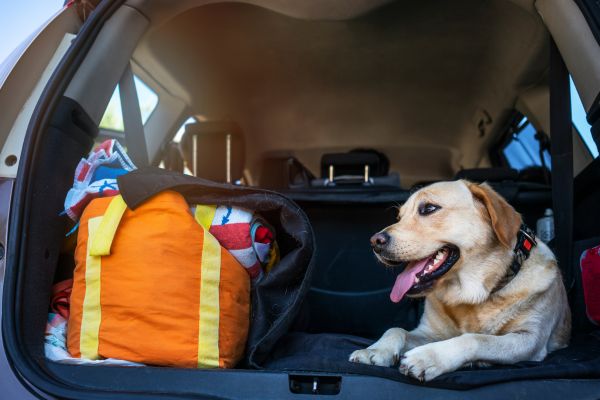
Traveling with pets sounds exciting in theory. New places, new smells, new adventures. But let’s be real for a second—nothing can ruin that excitement faster than unexpected quarantine rules. One country waves you through with a smile, while another may require weeks or even months of isolation for your furry friend. That’s why understanding pet quarantine laws by country is not just helpful, it’s essential.
If you’re planning an international move, a long vacation, or even a temporary stay abroad, knowing what different countries expect can save you stress, money, and a lot of heartache. So let’s talk about it in a real, human way—no legal jargon overload, no robotic explanations, just practical insight you can actually use.
Why Pet Quarantine Laws Exist in the First Place
Before diving into specific regions, it helps to understand why pet quarantine laws by country vary so much. The thing is, these laws aren’t designed to make your life difficult. They exist to prevent the spread of diseases, especially rabies, which is still a serious concern in many parts of the world.
Countries that are rabies-free or have strict control programs tend to be much more cautious. They’ve worked hard to eliminate risks, and they’re not eager to reintroduce them. On the flip side, countries with established vaccination systems and monitoring programs often allow pets to enter with fewer restrictions.
That difference alone explains a lot of the variation you’ll see around the world.
Pet Quarantine Laws in North America
In North America, pet travel is relatively straightforward compared to many other regions. The United States and Canada focus more on documentation than long quarantine periods. Most pets are allowed entry as long as they have up-to-date rabies vaccinations, health certificates from licensed veterinarians, and proper identification.
Mexico follows a similar approach, although inspections at the border may be more thorough. Quarantine is rare in North America unless paperwork is missing or a pet shows signs of illness. That’s a big relief for pet owners, especially those relocating for work or family reasons.
Still, rules can change depending on disease outbreaks or updated regulations, so double-checking before travel is always a smart move.
Pet Quarantine Laws Across Europe
Europe is where pet quarantine laws by country can start to feel a bit more complex, mainly because of the European Union’s unified system mixed with individual country enforcement.
Most EU countries allow pets to travel freely within member states if they have an EU Pet Passport, microchip, and current rabies vaccination. Quarantine is generally avoided as long as all requirements are met. However, if your pet is coming from a non-EU country, additional blood tests and waiting periods may apply.
The United Kingdom, although no longer part of the EU, still follows a structured system. Pets usually don’t face quarantine if they meet all entry requirements, including rabies vaccinations and tapeworm treatments. But missing even one document can result in enforced isolation, which no pet owner wants.
European countries tend to be organized, but they’re also strict. Precision matters here.
Pet Quarantine Laws in Asia
Asia is where pet quarantine laws by country can vary dramatically. Some countries are relatively flexible, while others are famously strict.
Japan, for example, has some of the most detailed pet import rules in the world. Pets often need advance blood tests, microchipping, vaccinations, and a waiting period that can last several months. If everything is done correctly, quarantine time upon arrival may be minimal. If not, your pet could be isolated for weeks.
Singapore also enforces structured quarantine policies depending on the country of origin. Pets coming from low-risk countries may face shorter quarantine periods, while those from higher-risk regions could be quarantined longer.
In contrast, some Southeast Asian countries have more relaxed enforcement, but that doesn’t mean the rules are nonexistent. The challenge in Asia is consistency. Regulations may exist on paper, but enforcement can differ from one airport or port to another.
Pet Quarantine Laws in Australia and New Zealand
Let’s not sugarcoat this—Australia and New Zealand are extremely strict when it comes to pet quarantine laws by country. These nations are rabies-free and fiercely protective of their ecosystems.
Pets entering Australia typically face a mandatory quarantine period, even if all paperwork is perfect. This quarantine can last several weeks and must be completed at government-approved facilities. The process also includes extensive testing, vaccinations, and approvals well in advance of travel.
New Zealand follows a similar approach, although quarantine periods may vary depending on the pet’s origin. The key takeaway here is preparation. If you’re moving to this region, last-minute planning simply won’t cut it.
Pet Quarantine Laws in the Middle East
The Middle East presents a mixed picture. Countries like the United Arab Emirates have clear import guidelines and usually avoid long quarantine periods if pets meet vaccination and health requirements.
However, some countries in the region may impose temporary quarantine or additional inspections, especially for pets arriving from high-risk rabies zones. Cultural attitudes toward pets can also influence how strictly rules are enforced.
In many cases, working with a licensed pet relocation service can make navigating pet quarantine laws by country in the Middle East much smoother.
Pet Quarantine Laws in Africa
Africa is often misunderstood when it comes to pet travel. While some countries have limited infrastructure for quarantine enforcement, others take animal health very seriously.
South Africa, for instance, has clear import regulations and may require quarantine depending on the pet’s origin and documentation. Rabies control is a major concern across the continent, so proof of vaccination is almost always required.
In other African nations, enforcement may be inconsistent, but that doesn’t mean you can skip preparation. Unexpected quarantine or denied entry is still a possibility if paperwork is incomplete.
How to Prepare for Different Pet Quarantine Laws by Country
Here’s the honest truth—preparation is everything. No matter where you’re going, start early. Some countries require steps to be completed months in advance, especially blood tests that have mandatory waiting periods.
Always verify requirements through official government or embassy sources. Online forums and social media can be helpful, but they’re not always accurate or up to date. If something goes wrong, it’s your pet who pays the price, not the commenter on a travel group.
And yes, paperwork matters more than you think. Even a minor error can trigger quarantine.
Emotional and Financial Realities of Pet Quarantine
Let’s talk about something people don’t mention enough—the emotional toll. Quarantine can be stressful for pets and owners alike. Being separated, even temporarily, can cause anxiety, especially for animals used to constant companionship.
There’s also the cost. Quarantine facilities, veterinary checks, and relocation services can add up quickly. Understanding pet quarantine laws by country ahead of time helps you budget realistically and avoid unpleasant surprises.
The thing is, none of this means traveling with pets isn’t worth it. It just means going in with your eyes open.
Final Thoughts on Pet Quarantine Laws by Country
At the end of the day, pet quarantine laws by country are about protection, not punishment. They protect local animals, ecosystems, and public health. Still, that doesn’t make them any less overwhelming when you’re just trying to move or travel with a beloved pet.
The good news is this: with proper planning, attention to detail, and a bit of patience, most quarantine issues can be avoided entirely. And when quarantine is unavoidable, knowing what to expect makes it far more manageable.
So take your time, do the research, ask the right questions, and plan ahead. Your pet depends on you to make the journey as smooth and safe as possible. And honestly, that peace of mind? Totally worth the effort.