
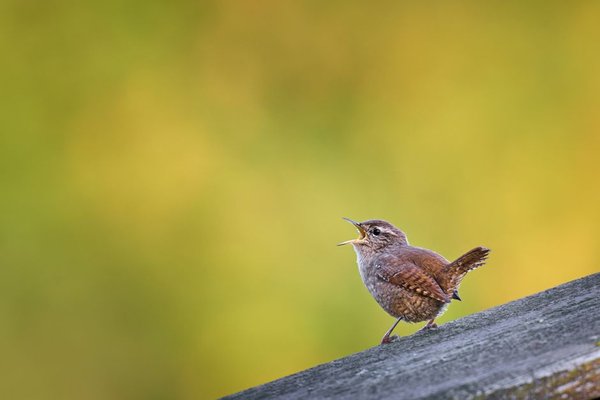
A bird lands on the fence. Your cat freezes at the window, leans forward, and suddenly makes a string of tiny clicking sounds: ek-ek-ek. It can sound like an attempted conversation with the bird, but the explanation is probably closer to hunting than talking.
So why do cats chirp at birds? The sight of potential prey can trigger intense attention and excitement, even in a well-fed indoor cat. When a window or distance prevents a chase, frustration may contribute too. Researchers have not established one definitive reason for the sound, but the behavior offers an intriguing glimpse of the feline hunting instinct.
What Does Cat Chirping Actually Sound Like?
People often use chirping, chattering, chittering, and twittering to describe the same window-side performance. There are subtle differences. A chirp is typically a short, high-pitched vocal sound, while chattering involves rapid movements of the jaw that create clicking or stuttering noises. Some cats combine both.
Watch closely and you may notice a crouched posture, ears pointing toward the bird, an unwavering gaze, and a twitching tail tip. A friendly greeting trill is different from a bird-focused chatter.
Why Birds Switch On a Cat’s Hunting Instincts
Birds move in ways that naturally capture feline attention. A sudden hop, a flutter of wings, or a quick change of direction can prompt a cat to orient, watch, crouch, and prepare to pursue. That response is normal predatory behavior.
Domestic cats do not need to be hungry for this response to appear. Hunting motivation and appetite are not identical. Even a well-fed indoor cat may closely follow a robin.
The interesting part is where cat chirping behavior fits into that sequence. Cats generally benefit from staying quiet while approaching prey. Chatter often appears when the animal is visible but unreachable, suggesting that the sound is not necessarily a tool used during a successful hunt.
The Leading Explanations for Cat Chatter at Birds
Excitement and High Arousal
One straightforward explanation is that the cat is highly stimulated by the possibility of a chase. Its eyes track the target, muscles tense, and attention narrows. Chirping may accompany this heightened state without serving any special purpose of its own.
A brief chatter followed by calm watching does not necessarily mean distress.
Frustration When Prey Is Out of Reach
Imagine being ready to spring toward a moving target but repeatedly meeting an invisible barrier. A window lets the cat watch every tempting movement while preventing the next step. Some veterinary behavior specialists suggest that this mismatch may explain the clicking, squeaking, or restless movements.
It is a plausible theory, not proof that every chattering cat feels frustrated. One cat may watch peacefully, while another begins pacing or swishing its tail vigorously after the bird disappears. The same sound need not mean the same emotion.
Jaw Movement or Prey Mimicry?
Another suggestion is that the fast jaw action resembles movements associated with biting prey. However, there is not convincing evidence that a domestic cat is deliberately rehearsing a killing bite whenever it chatters.
You may also hear that cats imitate bird calls to lure birds closer. Although certain wild cats have shown unusual vocal mimicry, that observation does not demonstrate that domestic cats chatter to deceive songbirds. It remains an interesting hypothesis rather than an established explanation.
What Your Cat’s Body Language Can Reveal
Instead of treating a chirp as a word that translates into one emotion, look at the entire episode. Notice what started it, how your cat moved, and how quickly it settled afterward.
Forward-facing ears, focused eyes, and a still crouch often accompany concentrated interest. An occasional tail-tip flick can be part of that focus. Repeated attempts to climb the glass, prolonged pacing, or difficulty disengaging may suggest a more agitated experience.
Here is a practical test: next time a pigeon appears outside, observe your cat for a minute without interrupting. Does it chatter only while the bird moves? Does it relax when the bird flies away? Compare that response with how it watches a stationary object. One sound cannot diagnose an emotion.
How to Channel the Instinct Safely
There is usually no reason to stop normal bird-watching. A secure window perch can provide stimulating visual activity, particularly for an indoor cat. Check that windows and screens are properly secured; an excited cat may lunge unexpectedly.
Follow some bird-watching sessions with an interactive wand toy. Move the toy like prey: hide it briefly, let it dart across the floor, then slow it down so your cat can stalk and catch it. Allow a successful grab before ending the game. This offers a safe outlet for behaviors that a bird behind glass cannot satisfy.
Rotate toys, offer suitable scratching surfaces, and provide climbing or hiding opportunities as part of a broader indoor cat enrichment routine. If watching birds seems to leave your cat persistently agitated, adjust the viewing setup or shorten access and see whether its behavior improves.
Keep real birds safe, too. Watching through closed glass is preferable to allowing a cat to chase wildlife outdoors. Understanding how cats hunt can help you provide satisfying play without putting other animals at risk.
When Chattering Might Deserve a Vet Visit
Typical cat chatter at birds is brief, linked to an obvious target, and ends when attention shifts. Repeated jaw clicking without anything to watch deserves a different response, especially if it is new.
Contact your veterinarian if the movements occur with drooling, difficulty eating, pawing at the mouth, apparent pain, unusual facial movements, or changes in awareness. Dental discomfort and other medical problems can sometimes produce movements that owners mistake for ordinary chattering. A video of an episode may help your vet understand what you observed.
Frequently Asked Questions
Is it normal for cats to chirp at birds?
Yes. Many cats make chirping or chattering sounds while watching birds or other small animals, particularly through windows. Not every cat does it, and a cat that stays silent can have equally strong hunting instincts.
Are cats trying to communicate with birds?
There is no solid evidence that domestic cats deliberately use window chatter to communicate with birds. The sound is more reliably associated with watching potential prey and becoming highly focused or excited.
Does chattering mean my cat is unhappy?
Not necessarily. Excitement and frustration are both proposed explanations, and brief chattering alone does not establish distress. Look for persistent agitation, inability to settle, or other changes before deciding the experience is unpleasant.
Why does my cat chirp at squirrels or insects too?
The response is not exclusive to birds. Rapid movement from squirrels, insects, or toys can attract the same predatory attention. For more context, explore cat tail and ear body language alongside the vocal sounds.
Final Thoughts
When a cat chirps at a bird, you are probably witnessing hunting motivation meeting an exciting visual target. The chatter itself remains scientifically unresolved; arousal, barriers, and instinctive jaw movements are possibilities rather than certainties. The most useful response is to watch the whole animal, provide safe opportunities to stalk and catch toys, and enjoy a small glimpse of the predator behind the window.