
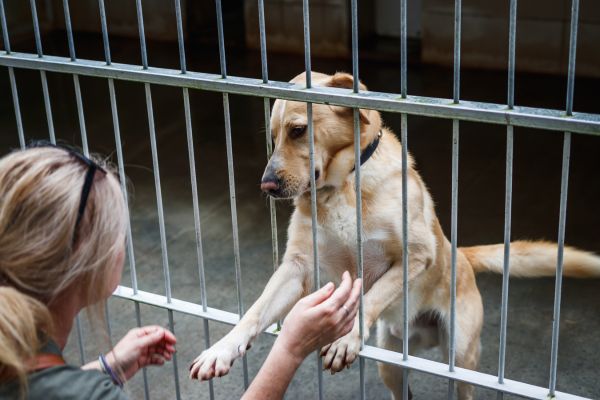
Typing local animal shelters near me into a search bar is often sparked by a quiet, emotional moment. Maybe you’ve been thinking about adopting for a while. Maybe you’ve found a stray and don’t know what to do next. Or maybe you just want to understand how animal shelters fit into the life of your community. Whatever the reason, that simple search opens the door to places that do far more than house animals. Local shelters are woven into the everyday fabric of towns and neighborhoods, often working quietly, patiently, and with limited resources.
Understanding what these shelters are, how they work, and why they matter can change the way you see them. They are not just buildings with kennels. They are living systems built on compassion, resilience, and a deep sense of responsibility toward animals who cannot speak for themselves.
What Local Animal Shelters Really Do
At their core, local animal shelters exist to provide safety. Animals arrive in all kinds of circumstances: lost pets separated from families, strays born on the streets, animals surrendered during difficult life transitions, or pets rescued from neglect. A shelter becomes a temporary pause in an animal’s life, a place where chaos slows down and basic needs are met again.
But the work doesn’t stop at food and shelter. Staff and volunteers monitor health, manage vaccinations, and try to understand each animal’s temperament. Some pets arrive confident and friendly. Others need time, patience, and space before they trust again. Every day is a balancing act between care, capacity, and hope.
Local shelters also serve the public in quieter ways. They help reunite lost pets with owners, offer guidance on responsible pet care, and often act as a first point of contact when someone doesn’t know where else to turn with an animal-related problem.
Why Searching for Local Shelters Matters
Looking specifically for local animal shelters near me isn’t just about convenience. Proximity matters because these shelters are deeply connected to their surrounding area. They understand local laws, seasonal challenges, and common issues affecting animals in the region. A shelter in a cold climate faces different realities than one in a warmer area. Urban shelters often deal with overcrowding, while rural shelters may struggle with distance and limited access to veterinary care.
When you engage locally, you become part of a smaller, more personal ecosystem. The animals you see are often ones you might pass on the street or hear about through neighbors. That closeness makes the experience more grounded and, for many people, more meaningful.
The Emotional Landscape Inside a Shelter
Walking into a local animal shelter can be overwhelming. The sounds, the smells, the movement. For first-time visitors, it can stir up emotions they weren’t expecting. There’s joy in seeing playful puppies or curious kittens. There’s also heaviness in meeting older animals or those who have clearly been through a lot.
Shelter workers live in this emotional in-between every day. They celebrate adoptions and grieve losses, sometimes quietly, sometimes together. They learn not to harden themselves, but to pace their empathy so it lasts. This emotional labor is rarely visible from the outside, yet it shapes the atmosphere of every shelter space.
Understanding this helps visitors approach shelters with more patience and respect. It’s not always an easy environment, but it is an honest one.
Adoption as a Thoughtful Process
Adopting from a local shelter is often portrayed as a feel-good moment, and it is. But behind that moment is a careful process designed to protect both the animal and the adopter. Staff ask questions not to judge, but to match needs realistically. An energetic dog may not thrive in a quiet apartment. A shy cat might struggle in a loud household.
Local shelters tend to know their animals well. They’ve observed habits, quirks, fears, and small preferences. That knowledge is invaluable. Adoption isn’t about picking the cutest face. It’s about finding a fit that can last for years.
When people search for local animal shelters near me with adoption in mind, they’re often surprised by how much guidance is available. It turns a personal decision into a shared responsibility.
Shelters as Community Mirrors
Animal shelters often reflect what’s happening in the wider community. Economic stress can lead to increased surrenders. Natural disasters can suddenly overwhelm capacity. Changes in housing policies or local regulations can have ripple effects on pet ownership.
Because of this, shelters adapt constantly. They adjust intake policies, seek foster homes, and collaborate with local veterinarians or rescue groups. Their challenges are rarely isolated. They echo broader social issues, from access to affordable housing to public education about animal care.
When you engage with a shelter near you, you’re not just helping animals. You’re seeing a snapshot of your community’s strengths and struggles.
Volunteering and Everyday Support
Not everyone who searches for local animal shelters near me is ready to adopt. Some people simply want to help. Local shelters rely heavily on volunteers, but support comes in many forms. Time is valuable, but so is patience, understanding, and word-of-mouth awareness.
Volunteers walk dogs, socialize cats, clean spaces, and sometimes just sit quietly with animals who need human presence without pressure. These small acts accumulate. They shape an animal’s experience and often improve their chances of finding a permanent home.
Even people who never step inside a shelter contribute in indirect ways. Sharing accurate information, encouraging responsible pet ownership, and understanding what shelters actually do helps reduce misconceptions and stigma.
The Quiet Success Stories
Not all success stories from local shelters are dramatic. Some are quiet and almost invisible. A nervous dog slowly learning to trust again. A senior cat finding a calm home after months of waiting. A lost pet reunited with a family who never stopped searching.
These moments don’t always make headlines, but they define the purpose of shelters. They remind everyone involved why the work continues, even on difficult days. When people talk about local animal shelters near me, these are often the stories they remember most vividly.
Challenges That Don’t Have Simple Answers
It’s important to acknowledge that shelters face ongoing challenges. Space, funding, staffing, and emotional burnout are real issues. Decisions are sometimes made under pressure, with imperfect options. From the outside, it can be easy to oversimplify or criticize.
But shelters operate within constraints set by society as a whole. They respond to the outcomes of breeding practices, abandonment, and changing human circumstances. Understanding this complexity fosters empathy rather than judgment.
Local shelters rarely claim to be perfect. They strive to be humane, responsive, and transparent within what is realistically possible.
Finding Meaning in Local Connections
Searching for local animal shelters near me often starts as a practical step. Yet for many people, it becomes something deeper. It leads to conversations, experiences, and relationships that linger long after the search ends. Whether through adoption, volunteering, or simply learning more, these shelters offer a way to connect compassion with action.
They remind us that care doesn’t have to be grand to be meaningful. Sometimes it’s local, imperfect, and quietly persistent.
A Thoughtful Ending
Local animal shelters exist where need and kindness intersect. They are shaped by the communities around them and, in turn, shape how those communities respond to vulnerability. When you look for local animal shelters near me, you’re not just locating a place on a map. You’re acknowledging a shared responsibility toward animals whose lives depend on human choices.
Taking the time to understand these shelters, their work, and their challenges brings the topic out of abstraction and into everyday life. And in that understanding, there’s space for empathy, awareness, and thoughtful action—whatever form that may take.